Early birds welcome! 7 AM appointments available on select days starting April 1- Call or Book Online!

Why Preventive Pet Care Matters for Long-Term Health

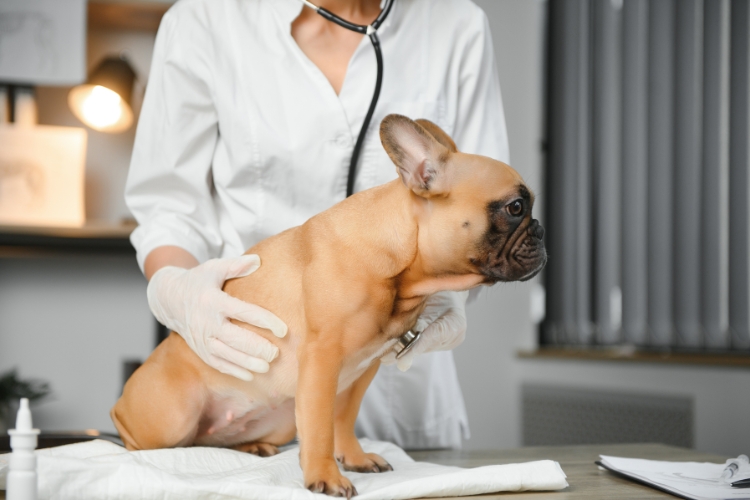
Keeping your pet healthy requires more than treating illnesses after they appear. Preventive care helps pets stay active, comfortable, and happy throughout every stage of life. From routine wellness exams to vaccinations and dental cleanings, consistent veterinary attention supports long-term well-being and reduces the risk of serious health problems.
Many pet owners wait until their dog or cat shows visible signs of discomfort before scheduling a veterinary visit. However, animals often hide pain or illness. As a result, health conditions can progress before symptoms become noticeable. Preventive veterinary services help identify potential concerns early, which allows treatment to begin sooner and improves outcomes.
At East Hampton Veterinary Group, we believe that proactive care gives pets the best opportunity for a longer and healthier life. Families in East Hampton, NY trust preventive veterinary services to help protect their pets from avoidable diseases and long-term complications.
What Is Preventive Pet Care?
Preventive care focuses on maintaining your pet’s health before problems develop. Rather than reacting to illness, veterinarians use routine services and screenings to monitor your pet’s condition and prevent disease whenever possible.
Preventive veterinary services often include:
- Wellness examinations
- Vaccinations
- Parasite prevention
- Dental care
- Nutritional counseling
- Diagnostic testing
- Weight management
- Senior pet screenings
These services work together to support your pet’s overall wellness. In addition, they help veterinarians detect changes in health early, often before conditions become severe.
Early Detection Improves Treatment Outcomes
One of the greatest benefits of routine veterinary care is early disease detection. Many health conditions develop gradually and may not show immediate symptoms. Regular exams allow veterinarians to identify subtle changes that could indicate an underlying issue.
For example, bloodwork can reveal kidney disease, diabetes, or liver abnormalities before pets appear sick. Similarly, physical examinations may uncover lumps, dental disease, arthritis, or heart concerns during their early stages.
Early diagnosis often leads to:
- Faster treatment
- Lower medical costs
- Reduced discomfort
- Better long-term prognosis
- Improved quality of life
Without routine screenings, some diseases remain unnoticed until they become advanced and more difficult to manage.
Vaccinations Protect Pets From Serious Diseases
Vaccinations remain one of the most important aspects of preventive veterinary medicine. They help protect pets from dangerous and highly contagious illnesses that can affect both animals and people.
Core vaccines commonly recommended for dogs include:
- Rabies
- Distemper
- Parvovirus
- Adenovirus
Cats may require protection against:
- Rabies
- Feline viral rhinotracheitis
- Calicivirus
- Panleukopenia
Lifestyle, environment, and age also influence which additional vaccines your veterinarian may recommend.
Routine vaccination schedules help strengthen your pet’s immune system and lower the risk of outbreaks in the community. Furthermore, prevention is often safer and more affordable than treating infectious diseases after exposure.
Parasite Prevention Supports Lifelong Wellness
Parasites can create serious health risks for pets. Fleas, ticks, heartworms, and intestinal parasites may cause discomfort, skin problems, anemia, and disease transmission.
Unfortunately, some parasites are difficult to detect without veterinary testing. Pets can carry internal parasites even when symptoms are not obvious.
Year-round parasite prevention offers several benefits:
- Reduces risk of heartworm disease
- Protects against flea infestations
- Helps prevent tick-borne illnesses
- Supports healthier skin and coat
- Minimizes household contamination
Regular fecal testing and parasite screenings help veterinarians determine whether your pet needs treatment or preventive medication adjustments.
Dental Health Is Essential for Overall Health
Dental disease affects a large percentage of adult pets. Even so, many pet owners underestimate the impact oral health has on the body.
Plaque and tartar buildup can lead to:
- Bad breath
- Gum inflammation
- Tooth loss
- Oral pain
- Difficulty eating
More importantly, untreated dental infections may spread bacteria throughout the body and contribute to heart, kidney, or liver complications.
Routine dental exams and professional cleanings help maintain healthy teeth and gums. In addition, home dental care habits such as brushing and dental chews can reduce plaque accumulation between veterinary visits.
Maintaining oral health improves comfort and supports better overall wellness throughout your pet’s life.
Nutrition Plays a Key Role in Prevention
A balanced diet directly affects your pet’s health, energy levels, and immune function. Proper nutrition helps maintain a healthy weight and lowers the risk of obesity-related conditions.
Obesity increases the likelihood of:
- Diabetes
- Joint problems
- Heart disease
- Respiratory issues
- Reduced mobility
Veterinarians evaluate your pet’s body condition during wellness visits and provide nutritional recommendations based on age, breed, activity level, and medical history.
Puppies and kittens require different nutrients than senior pets. Likewise, pets with allergies or chronic conditions may benefit from specialized diets.
Feeding the right diet helps support healthy growth, organ function, and long-term vitality.
Routine Exams Build a Complete Health History
Consistent veterinary visits allow doctors to track changes in your pet’s health over time. This long-term perspective helps identify patterns that could signal emerging issues.
During wellness appointments, veterinarians evaluate:
- Weight changes
- Heart and lung function
- Skin and coat condition
- Joint mobility
- Eye and ear health
- Behavioral changes
These routine assessments create valuable medical records that support more accurate diagnoses and treatment planning in the future.
In addition, pets become more comfortable with veterinary visits when they attend regularly. Familiarity can reduce stress and anxiety during examinations.
Senior Pets Need Additional Preventive Attention
As pets age, their healthcare needs change. Older pets become more vulnerable to arthritis, organ disease, cognitive decline, and cancer.
Senior wellness care often includes:
- Blood testing
- Urinalysis
- Blood pressure monitoring
- Mobility evaluations
- Pain management assessments
Because aging pets may develop conditions gradually, regular screenings become increasingly important.
Veterinarians can recommend lifestyle adjustments, supplements, and treatment plans that improve comfort and help senior pets maintain a higher quality of life for as long as possible.
Preventive Care Saves Money Over Time
Some pet owners avoid wellness visits because they worry about veterinary costs. However, preventive medicine often reduces expenses over time by helping avoid emergency treatments and advanced disease management.
Treating severe illness frequently requires:
- Hospitalization
- Surgery
- Intensive diagnostics
- Long-term medication
In contrast, preventive services focus on early intervention and disease reduction.
For example, preventing heartworm disease costs significantly less than treating a heartworm infection. Likewise, routine dental cleanings are more affordable than multiple tooth extractions caused by severe dental disease.
Investing in routine care today may help reduce costly complications later.
Behavior and Lifestyle Counseling Matter Too
Preventive veterinary visits also support behavioral and emotional health. Veterinarians can address concerns such as:
- Anxiety
- Excessive barking
- Litter box issues
- Aggression
- Destructive behavior
Behavioral challenges often relate to medical conditions, environmental stress, or insufficient stimulation. Early guidance helps owners manage concerns before they worsen.
Additionally, veterinarians provide recommendations about:
- Exercise routines
- Training support
- Mental enrichment
- Safe socialization
These factors contribute to healthier and happier pets.
The Importance of Customized Veterinary Care
Every pet has unique healthcare needs. Breed, age, lifestyle, and medical history all influence preventive recommendations.
For example:
- Outdoor cats may need additional parasite protection
- Active dogs may require joint support
- Senior pets may benefit from more frequent screenings
- Puppies and kittens need structured vaccination schedules
Personalized care plans help ensure pets receive the appropriate services for their specific stage of life.
At East Hampton Veterinary Group, our veterinary team develops customized wellness strategies designed to support lifelong health and comfort for every patient.
Building a Strong Partnership With Your Veterinarian
Preventive care works best when pet owners and veterinarians work together consistently. Open communication helps veterinarians understand your pet’s habits, environment, and health history.
Pet owners should monitor changes such as:
- Appetite loss
- Increased thirst
- Weight changes
- Low energy
- Limping
- Skin irritation
Reporting concerns early allows veterinarians to investigate potential issues before they progress.
Strong veterinary partnerships help pets receive more effective and personalized care throughout their lives.
How Often Should Pets Visit the Veterinarian?
Most healthy adult pets benefit from annual wellness visits. However, puppies, kittens, senior pets, and animals with medical conditions may need more frequent appointments.
Veterinary visit frequency depends on factors including:
- Age
- Breed
- Existing health conditions
- Lifestyle risks
- Vaccination schedules
Routine exams help veterinarians update preventive recommendations and monitor overall wellness consistently.
Why Consistency Matters in Pet Health
Preventive healthcare is not a one-time event. Instead, it involves ongoing monitoring and regular veterinary support throughout your pet’s life.
Consistent care helps:
- Detect disease early
- Maintain healthy weight
- Reduce infection risk
- Improve dental health
- Support healthy aging
- Strengthen overall quality of life
When preventive services become part of your routine, pets often experience fewer serious health complications and enjoy longer, healthier lives.
Preventive veterinary care plays a critical role in protecting your pet’s long-term health and happiness. Regular wellness exams, vaccinations, parasite prevention, dental care, and nutritional guidance all contribute to a healthier future for your companion. By identifying health concerns early and maintaining consistent care, pet owners can help their pets live more comfortable and active lives.
If you’re in East Hampton and looking for preventative care for your pets, schedule an appointment with East Hampton Veterinary Group. Our veterinary team is dedicated to providing compassionate wellness services that support your pet’s lifelong health and well-being.
FAQs
1. Why should I choose East Hampton Veterinary Group for preventive pet care?
East Hampton Veterinary Group provides compassionate and personalized veterinary care designed to support your pet’s long-term health. Our experienced team focuses on wellness exams, vaccinations, parasite prevention, dental care, and early disease detection to help pets live healthier lives.
2. How often should my pet visit East Hampton Veterinary Group for wellness care?
Most pets benefit from annual wellness exams, while puppies, kittens, and senior pets may require more frequent visits. Our veterinary team creates customized preventive care plans based on your pet’s age, lifestyle, and health needs.
3. What preventive services does East Hampton Veterinary Group offer?
We offer comprehensive preventive services including routine checkups, vaccinations, parasite prevention, diagnostic screenings, nutritional counseling, dental care, and senior pet wellness evaluations.
4. Can preventive care help reduce future veterinary expenses?
Yes. Preventive veterinary care helps detect health concerns early before they become more serious and expensive to treat. Regular wellness visits can help reduce emergency medical costs and improve long-term health outcomes.
5. Does East Hampton Veterinary Group provide care for senior pets?
Absolutely. Our veterinary team offers senior pet wellness services that include diagnostic testing, mobility assessments, pain management support, and ongoing monitoring to help aging pets stay comfortable and healthy.
6. How can I schedule an appointment with East Hampton Veterinary Group?
Scheduling an appointment is easy. Contact East Hampton Veterinary Group today to book your pet’s wellness exam or preventive care visit. Our friendly veterinary team is ready to help your pet receive the quality care they deserve.