Early birds welcome! 7 AM appointments available on select days starting April 1- Call or Book Online!

How Regular Wellness Exams Help Prevent Serious Pet Health Problems

Pets can appear healthy while developing problems that are difficult for owners to notice. A dog may continue playing despite early joint discomfort, while a cat may maintain a normal routine even when dental disease or another health concern begins to develop. Because pets often hide signs of illness, regular veterinary examinations play an important role in protecting their long-term health.
Preventive veterinary care focuses on more than treating problems after symptoms become obvious. Instead, it gives your veterinary team an opportunity to monitor your pet’s health, identify changes early, and provide recommendations that support a healthier lifestyle. Routine examinations can also help you understand your pet’s changing needs as they move from one life stage to another.
For pet parents who want to stay proactive about their companion’s health, regular veterinary visits can provide valuable peace of mind and help support healthier lives in East Hampton.
Pet Wellness Exams: A Foundation for Preventive Health
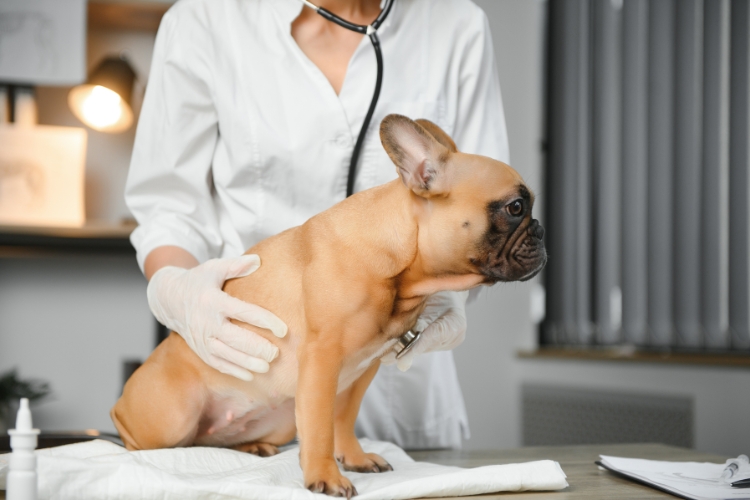
Pet wellness exams provide an opportunity to evaluate your companion before a noticeable illness becomes advanced. During a routine visit, your veterinarian can assess your pet’s overall condition and look for subtle abnormalities.
A wellness examination may include an evaluation of your pet’s:
- Weight and body condition
- Skin and coat
- Eyes and ears
- Mouth and teeth
- Heart and lungs
- Abdomen
- Muscles and joints
- General behavior and activity
Your veterinarian can also discuss nutrition, parasite prevention, vaccinations, dental health, exercise, and other preventive measures.
Because every pet has different needs, your veterinary team can recommend a wellness schedule based on age, breed, lifestyle, medical history, and individual risk factors.
Early Detection Can Make a Difference
One of the greatest benefits of routine veterinary visits is the opportunity to identify health changes early.
Some conditions develop gradually without obvious symptoms. For example, kidney problems, heart disease, diabetes, arthritis, and certain cancers may initially produce subtle changes.
A veterinarian can compare your pet’s current examination with previous visits. As a result, even small changes in weight, body condition, heart sounds, or behavior may become easier to recognize.
Early identification does not guarantee that every serious condition can be prevented. However, it can give you and your veterinary team more time to investigate concerns and discuss appropriate treatment or management options.
Regular Weight Checks Help Prevent Health Problems
Weight management plays an important role in preventive healthcare. Both excessive weight and unexplained weight loss can signal potential concerns.
Extra weight can place additional stress on joints and may increase the risk of certain health problems. On the other hand, unexplained weight loss can occur with dental disease, digestive disorders, metabolic conditions, or other illnesses.
During routine visits, your veterinarian can assess your pet’s body condition and discuss appropriate nutrition and activity levels.
Therefore, regular weight monitoring can help you make informed decisions before a small change becomes a larger concern.
Dental Health Should Not Be Overlooked
Dental disease is common in pets, yet early signs can be difficult to recognize. Many animals continue eating normally even when they have oral discomfort.
During a wellness visit, your veterinarian can examine the teeth and gums for signs of plaque, tartar, inflammation, damaged teeth, or other abnormalities.
You may also notice changes at home, such as:
- Persistent bad breath
- Dropping food
- Difficulty chewing
- Excessive drooling
- Pawing at the mouth
- Reluctance to eat hard food
- Changes in behavior
Addressing oral health concerns early can help protect your pet’s comfort and support better overall wellness.
Vaccinations Help Protect Against Preventable Diseases
Vaccinations form an important part of preventive veterinary care. Depending on your pet’s age, lifestyle, health history, and exposure risks, your veterinarian can recommend an appropriate vaccination schedule.
Even pets that spend most of their time indoors may encounter infectious organisms through other animals, people, outdoor environments, or unexpected exposure.
Keeping vaccinations current can reduce the risk of several serious diseases. Furthermore, routine visits give your veterinary team an opportunity to review vaccination records and determine whether updates are appropriate.
Parasite Prevention Is an Important Part of Wellness
Fleas, ticks, intestinal parasites, and other pests can affect pets throughout the year. Some parasites cause irritation, while others can contribute to more significant health problems.
Your veterinarian can recommend preventive products based on your pet’s lifestyle and risk factors. Dogs and cats that spend time outdoors may have different exposure risks from pets that remain indoors.
Consistent prevention is generally more effective than waiting until a parasite problem develops.
In addition, regular veterinary visits provide opportunities to discuss fecal testing and other parasite-related concerns.
Routine Exams Can Track Aging and Life-Stage Changes
Your pet’s needs change throughout life.
Puppies and kittens require support for healthy growth and development. Adult pets benefit from ongoing preventive care and lifestyle monitoring. Senior animals may require closer observation because age-related conditions can become more common.
Regular examinations allow your veterinarian to adjust recommendations as your companion ages.
For example, an older pet may benefit from additional monitoring of mobility, dental health, weight, organ function, and behavior.
Rather than using the same approach throughout your pet’s entire life, preventive care can evolve with their needs.
Behavioral Changes Can Provide Important Clues
Behavior often provides valuable information about a pet’s health.
A normally active dog may become less interested in walks. A social cat may begin hiding more frequently. A pet may also become irritable when touched or vocalize more than usual.
Although behavioral changes can have many causes, they may sometimes indicate pain or illness.
During wellness visits, tell your veterinarian about changes you have noticed at home. Your observations can help provide context that may not be obvious during a short examination.
Bloodwork and Other Diagnostics May Identify Hidden Problems
A physical examination provides valuable information, but additional diagnostic testing may sometimes be appropriate.
Depending on your pet’s age, health history, and examination findings, your veterinarian may recommend bloodwork, urine testing, imaging, or other diagnostics.
These tests can provide information about internal organs and body systems that cannot be evaluated fully through an external examination alone.
For senior pets or animals with specific risk factors, periodic testing may help establish baseline information and identify changes over time.
Your veterinarian can explain which tests may be appropriate and why they are recommended.
Routine Visits Help You Stay Ahead of Changes
Preventive healthcare works best when it becomes part of your pet’s normal routine.
Instead of waiting until your pet develops obvious symptoms, regular veterinary visits create opportunities to discuss small changes before they become more significant.
Keep track of your pet’s eating habits, water consumption, activity, bathroom habits, weight, grooming, and behavior. If something changes, share that information with your veterinarian.
Even a change that seems minor to you may provide useful information during an examination.
How Pet Parents Can Prepare for a Wellness Visit
A little preparation can make a veterinary appointment more productive.
Before the visit, write down any questions or concerns you have. Bring information about medications, supplements, diet, vaccinations, and parasite prevention when appropriate.
Also, note any changes you have observed since the previous appointment.
For example, tell your veterinarian if your pet has started drinking more water, sleeping differently, avoiding stairs, scratching more often, or showing changes in appetite.
The more complete the information, the easier it may be for your veterinary team to evaluate your pet’s overall health.
How East Hampton Veterinary Group Can Help
East Hampton Veterinary Group provides veterinary care designed to support pets through different stages of life. Routine wellness visits allow the veterinary team to monitor your companion’s health and provide individualized preventive recommendations.
Whether your pet needs vaccination guidance, parasite prevention, dental evaluation, nutritional support, or general health monitoring, regular veterinary care can help you stay proactive.
Most importantly, do not wait for a serious symptom before discussing a concern. If you notice something different about your pet, sharing that information with your veterinary team can help determine whether further evaluation is appropriate.
Conclusion
Regular veterinary examinations provide more than a routine health check. They create opportunities to detect subtle changes, monitor weight, evaluate dental health, maintain vaccinations, manage parasites, discuss nutrition, and adjust preventive recommendations as your pet ages.
While routine visits cannot prevent every illness, they can help identify potential concerns earlier and provide valuable information for making informed healthcare decisions. In addition, keeping track of changes at home allows you to work more effectively with your veterinary team.
By making preventive healthcare part of your pet’s regular routine, you can take a proactive approach to their comfort, health, and quality of life.
If you’re a pet parent in East Hampton and want to stay ahead of potential health concerns, schedule an appointment with East Hampton Veterinary Group. A consistent preventive care plan can help your companion receive the attention they need at every stage of life.
FAQs
- Why are regular wellness examinations important for pets?
Routine examinations allow veterinarians to assess overall health and look for subtle changes that owners may not notice. They also provide opportunities to discuss vaccinations, parasite prevention, nutrition, dental health, weight management, and other preventive needs.
- How often should my pet have a wellness examination?
The appropriate frequency depends on your pet’s age, health, lifestyle, and individual risk factors. Young, adult, and senior pets may require different schedules. Your veterinarian can recommend an appropriate examination plan.
- Can wellness visits detect health problems before symptoms appear?
Regular examinations can sometimes identify abnormalities before owners notice obvious symptoms. Your veterinarian may also recommend diagnostic testing when appropriate to investigate potential concerns or establish health baselines.
- Does my indoor pet still need regular veterinary visits?
Yes. Indoor pets can still develop dental disease, obesity, parasites, infections, and other health conditions. They may also require vaccinations, preventive care, nutritional guidance, and routine health monitoring.
- What should I tell my veterinarian during a wellness visit?
Share any changes in appetite, thirst, weight, activity, behavior, grooming, bathroom habits, sleep, or eating patterns. Also provide information about medications, supplements, diet, and preventive products when relevant.
- How can East Hampton Veterinary Group support my pet’s preventive healthcare?
East Hampton Veterinary Group can provide routine veterinary examinations and personalized guidance based on your pet’s age, lifestyle, health history, and individual needs. Regular visits can help you maintain a proactive approach to your companion’s health.