Early birds welcome! 7 AM appointments available on select days starting April 1- Call or Book Online!

Vet Recommended Preventive Health Plan for Your Pet
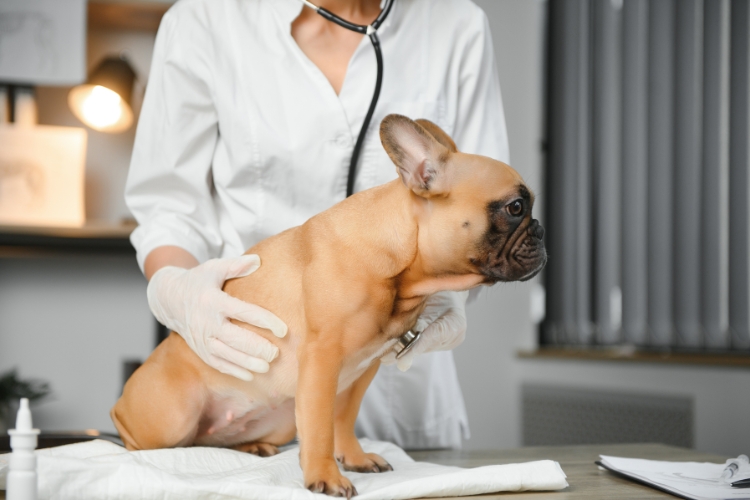
Preventive care helps pets stay healthier for longer by focusing on steady routines, early detection, and consistent health monitoring. Many common pet issues develop slowly, and pet owners often miss early signs until the condition becomes more serious.
This guide is especially for pet owners of East Hampton, NY, who want practical and easy steps for maintaining their pet’s health throughout the year. Pets often experience seasonal changes, engage in outdoor activities, and are exposed to environmental factors that can influence overall health. A clear preventive plan helps manage these challenges in a simple and organized way.
A well-planned routine supports energy levels, digestion, mobility, and emotional balance. Many pet owners find that preventive habits reduce stress and help them feel more confident in daily care decisions. A veterinary-based plan usually combines regular exams, vaccinations, nutrition guidance, and early testing to protect long-term health.
Creating a Strong Health Foundation
A strong preventive care plan begins with consistency in care and routine monitoring. Pets benefit from predictable schedules that support stability in feeding, activity, and medical attention. Small habits followed daily often make the biggest difference in long-term wellness.
Regular Wellness Checkups
Regular wellness visits help track overall health and identify early changes that may not be visible at home. A vet evaluates weight, heart health, coat condition, and mobility to understand general wellness trends over time.
These visits are important because many conditions develop silently. Early detection helps reduce complications and allows simpler care decisions before issues progress further.
Vaccination and Disease Protection
Vaccinations protect pets from serious and sometimes life-threatening illnesses. A scheduled vaccination plan is usually based on age, environment, and risk level.
Parasite control is also part of prevention. Common protections include:
- Core vaccinations: Help protect against contagious diseases that spread easily among pets
- Flea and tick prevention: Reduces itching, skin infections, and disease transmission risks
- Heartworm protection: Supports heart and lung health by preventing dangerous parasite infection
- Deworming care: Removes internal parasites that affect digestion and nutrient absorption
Nutrition and Daily Wellness Habits
Daily habits play a major role in how pets feel and function. Food quality, portion size, and activity levels all contribute to long-term health outcomes. Balanced routines help maintain steady energy and reduce health risks.
Balanced Feeding and Diet Control
Nutrition supports immunity, growth, and overall body function. A vet often recommends diet plans based on breed, age, and activity level to ensure proper balance.
Healthy feeding habits include:
- Portion control: Helps prevent obesity and related health issues
- Age-based food selection: Supports growth in young pets and maintenance in seniors
- Quality ingredients: Improve digestion, skin health, and energy levels
- Consistent feeding schedule: Helps regulate metabolism and behavior
Exercise and Mental Engagement
Physical activity supports joint strength, weight control, and heart health. Daily movement helps pets stay active and reduces the risk of stiffness or obesity-related conditions.
Mental stimulation is equally important. Activities that support engagement include:
- Daily walks: Improve mobility and reduce stress buildup
- Interactive play: Supports bonding and physical fitness
- Training sessions: Encourage focus and mental stimulation
- Puzzle toys: Reduce boredom and support cognitive health
Dental Health and Oral Hygiene Care
Oral health plays a bigger role in overall wellness than many pet owners realize. Poor dental hygiene can lead to infections that affect the heart, liver, and kidneys over time. Regular care helps prevent discomfort and supports long-term health stability.
Daily and Routine Dental Care
Simple habits at home can significantly improve oral health. A veterinarian often checks teeth and gums during regular visits to detect early signs of disease.
Dental care habits include:
- Tooth brushing: Reduces plaque buildup and supports gum health
- Dental treats: Help clean teeth during chewing activity
- Routine cleanings: Remove tartar that cannot be managed at home
- Oral checks: Help detect early gum disease or tooth issues
Parasite Prevention and Seasonal Protection
Parasites can cause serious health issues if not managed properly. Fleas, ticks, and worms affect skin, digestion, and overall comfort. Prevention is especially important during warmer months but is often needed year-round.
Flea and Tick Control
Flea and tick prevention helps reduce itching, infections, and disease risks. A veterinary plan usually adjusts treatments based on lifestyle and exposure levels.
Common prevention methods include:
- Monthly treatments: Protect against external parasites throughout the year
- Outdoor protection: Reduces risk during walks and outdoor play
- Routine checks: Help detect early signs of infestation
- Environmental care: Reduces parasite exposure at home
Early Detection Through Routine Testing
Routine testing helps identify internal health issues before symptoms appear. Many conditions affect organs slowly, making early screening an important part of preventive care. Blood work and diagnostic tests provide insight into overall body function.
Health Screening and Diagnostics
Testing helps detect changes in organs such as the kidneys, liver, and thyroid. Early identification often leads to easier management and better long-term outcomes.
Routine screening benefits include:
- Blood tests: Evaluate internal organ function and detect early disease signs
- Urine analysis: Helps identify kidney or urinary tract issues
- Imaging tests: Provide deeper insight into internal structures
- Routine monitoring: Tracks health changes over time
Senior Pet Care and Age-Related Needs
As pets age, their health needs change. Senior pets often require more frequent monitoring to manage mobility, metabolism, and energy levels. Early adjustments in care help maintain comfort and stability.
Age-Based Health Support
Older pets may experience slower movement, changes in appetite, or joint discomfort. Regular monitoring helps identify these changes early and adjust care accordingly.
Senior care focus includes:
- Mobility support: Helps manage joint stiffness and movement changes
- Diet adjustments: Supports slower metabolism and weight control
- Frequent checkups: Monitor age-related health conditions
- Comfort routines: Improve daily quality of life
Keeping Your Pet Healthy All Year
Preventive care works best when followed consistently throughout the year. A structured plan helps reduce risks, improve energy levels, and support long-term wellness. Combining routine exams, nutrition, exercise, dental care, and early testing creates a complete approach to health.
East Hampton Veterinary Group focuses on preventive care to help pets stay healthier at every life stage. Their approach is centered on early detection, routine wellness, and simple health planning that supports daily life and long-term comfort.
If you’re a pet owner in East Hampton looking for reliable preventive care, book an appointment online with East Hampton Veterinary Group. Our team helps create personalized health plans focused on wellness checks, nutrition balance, and long-term monitoring for dogs and cats.
Frequently Asked Questions
- How does preventive care help reduce long-term health problems in pets?
Preventive care helps detect early signs of illness before they become serious. Regular checkups, vaccinations, and daily routines reduce risks and support long-term health stability and comfort for pets.
- How often should a pet receive wellness exams?
Most pets benefit from annual wellness exams, while senior pets may need visits every six months. Regular exams help track health changes and allow early treatment when needed.
- What are the key parts of a preventive health plan?
A preventive plan includes wellness exams, vaccinations, parasite control, nutrition guidance, dental care, and routine testing. These combined steps help maintain overall health and reduce future risks.
- Why is parasite prevention important throughout the year?
Parasite prevention protects pets from fleas, ticks, and worms that can cause infections and disease. Year-round protection reduces exposure risks and helps maintain comfort and skin health.
- How does dental care affect overall pet wellness?
Dental care prevents infections that can spread to vital organs. Regular brushing and professional cleaning improve oral health, reduce pain, and support better eating habits and overall wellness.