Early birds welcome! 7 AM appointments available on select days starting April 1- Call or Book Online!

Why Regular Pet Diagnostic Care Is Key to Long-Term Health
Keeping a pet healthy takes more than food, walks, and affection. Just like people, animals benefit from routine health monitoring. However, many illnesses develop quietly. By the time symptoms appear, the condition may already be advanced. That is why preventive veterinary testing plays such an important role in protecting your pet’s well-being.
Routine veterinary diagnostics help detect early signs of illness before serious symptoms occur. These evaluations allow veterinarians to track internal health changes and identify problems sooner. As a result, treatment can begin earlier, which often improves outcomes and recovery time.
For pet owners in coastal communities, including those living near East Hampton, NY, proactive veterinary care is especially valuable. Seasonal lifestyle changes, outdoor exposure, and environmental factors can influence animal health. Regular checkups with proper testing ensure pets stay healthy through every stage of life.
Understanding the Role of Pet Diagnostic Care
Veterinary diagnostics involve a variety of tests designed to evaluate a pet’s internal health. These tests allow veterinarians to identify infections, metabolic disorders, organ problems, and other hidden issues before they worsen.
Through pet diagnostic care, veterinary teams gain important insights that physical exams alone cannot reveal. While a pet may appear healthy on the outside, internal testing can uncover early warning signs.
Common veterinary diagnostic tools include:
-
Blood testing
-
Urinalysis
-
Fecal screening
-
Digital X-rays
-
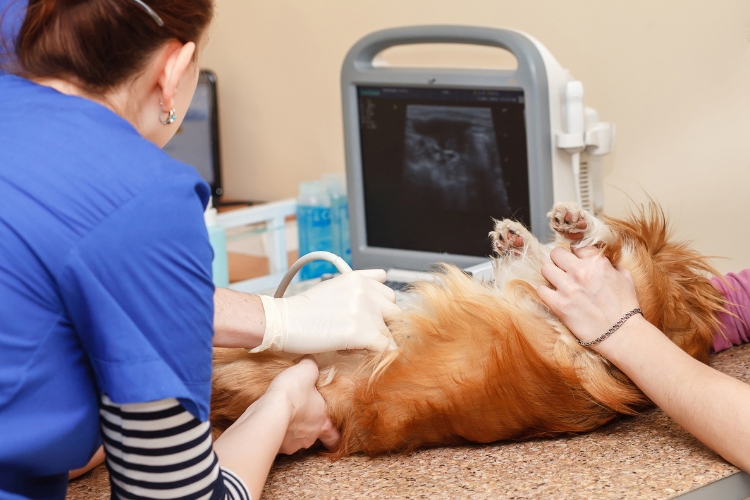
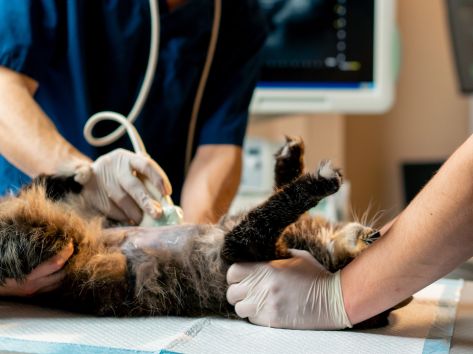
Ultrasound imaging
-
Heartworm testing
-
Parasite screening
Each test provides valuable information about different systems within the body. Together, they create a detailed health profile that helps guide preventive care and treatment decisions.
Why Early Detection Improves Long-Term Health
One of the biggest advantages of diagnostic testing is early disease detection. Many health conditions progress slowly and remain invisible for months or even years. Without testing, these problems often go unnoticed.
For example, conditions such as kidney disease, diabetes, thyroid disorders, and heart problems often begin with subtle internal changes. Pets may show no visible symptoms at first. However, blood tests and other screenings can reveal abnormalities long before the disease advances.
Early detection allows veterinarians to:
-
Begin treatment sooner
-
Slow disease progression
-
Prevent complications
-
Improve quality of life
-
Extend life expectancy
As a result, pets receive care before illness significantly affects their daily comfort.
Diagnostic Testing Helps Monitor Aging Pets
As pets grow older, their health needs change. Senior animals face a higher risk of developing chronic diseases, including arthritis, kidney disease, and endocrine disorders.
Routine testing becomes even more valuable during this stage of life. Veterinarians can monitor organ function, metabolic changes, and hormone levels. By comparing results over time, they can detect trends and respond quickly to potential concerns.
Regular diagnostic evaluations allow veterinary teams to adjust care plans based on each pet’s age, breed, and medical history. Consequently, aging pets receive targeted support that helps maintain mobility, energy, and comfort.
Preventing Serious Illness Through Routine Testing
Preventive medicine remains one of the most effective ways to protect long-term health. Veterinary diagnostics serve as an early warning system for many common diseases.
Testing can identify conditions such as:
-
Internal parasites
-
Bacterial infections
-
Blood disorders
-
Liver abnormalities
-
Kidney disease
-
Hormonal imbalances
When detected early, many of these issues can be treated before they become life-threatening. Furthermore, routine screenings help veterinarians recommend dietary changes, medications, or lifestyle adjustments that support ongoing wellness.
Because animals often hide discomfort instinctively, diagnostic testing plays a crucial role in identifying problems that owners may not notice.
Types of Veterinary Diagnostic Tests
Veterinary clinics use several types of diagnostic tests to evaluate pet health. Each test focuses on specific organs or body systems.
Blood Testing
Blood tests provide information about organ function, red and white blood cell counts, and metabolic activity. These tests can detect infections, anemia, diabetes, and kidney or liver disease.
Urinalysis
Urine testing evaluates kidney function and hydration levels. It also helps detect urinary tract infections, bladder stones, and metabolic disorders.
Fecal Screening
Fecal exams identify intestinal parasites that can affect digestion and overall health. Early detection allows veterinarians to treat parasites before they cause more serious problems.
Imaging Tests
Diagnostic imaging, including digital X-rays and ultrasound, helps veterinarians examine internal organs, bones, and tissues. Imaging is especially useful when evaluating injuries or detecting tumors.
Together, these tests provide a comprehensive picture of a pet’s health.
How Lifestyle and Environment Affect Pet Health
Pets living in coastal regions experience unique environmental influences. Outdoor exposure, seasonal weather patterns, and local wildlife can all impact animal health.
For example, pets that spend time outdoors may face higher risks of tick-borne diseases, parasites, or environmental allergies. Additionally, humidity and temperature changes can influence skin conditions and respiratory health.
Because of these factors, routine wellness exams and pet diagnostic care help ensure pets stay protected throughout the year. Regular monitoring allows veterinarians to adjust preventive care based on seasonal risks.
When Should Pets Receive Diagnostic Testing?
The frequency of diagnostic testing depends on several factors, including age, health history, and lifestyle.
Veterinarians generally recommend:
-
Annual diagnostic screening for healthy adult pets
-
More frequent testing for senior pets
-
Immediate testing if symptoms appear
-
Baseline testing for new pets or adopted animals
Baseline results are particularly important. These results allow veterinarians to compare future tests and identify subtle changes over time.
Additionally, pets undergoing surgery or starting new medications often receive diagnostic testing to ensure their bodies can safely tolerate treatment.
Signs Your Pet May Need Diagnostic Evaluation
While routine screenings are important, certain symptoms should prompt immediate veterinary evaluation.
Watch for signs such as:
-
Sudden weight loss or gain
-
Increased thirst or urination
-
Loss of appetite
-
Persistent vomiting or diarrhea
-
Lethargy or reduced activity
-
Difficulty breathing
-
Behavioral changes
These symptoms may indicate underlying medical conditions that require further investigation. Diagnostic tests help veterinarians identify the cause quickly and begin appropriate treatment.
Building a Preventive Care Plan for Your Pet
Preventive healthcare combines regular exams, vaccinations, nutrition guidance, and diagnostic testing. Together, these services create a proactive approach to maintaining long-term wellness.
A preventive care plan may include:
-
Routine physical examinations
-
Blood and urine testing
-
Parasite prevention
-
Dental health evaluations
-
Weight management guidance
By following a structured wellness plan, pet owners can help their animals live longer and healthier lives. Veterinary teams work closely with families to tailor care plans based on each pet’s specific needs.
Protecting Your Pet’s Health for Years to Come
Pets rely on their owners to safeguard their health. While daily care plays an important role, veterinary diagnostics provide deeper insight into internal health.
Regular testing helps identify problems early, monitor ongoing conditions, and support preventive care strategies. Most importantly, these screenings allow veterinarians to intervene before illnesses become severe.
If you’re in East Hampton and looking for pet diagnostic care near you, schedule an appointment with East Hampton Veterinary Group. Our veterinary team is dedicated to helping pets stay healthy through proactive monitoring, early detection, and compassionate care.
FAQs
Q1. What does diagnostic testing for pets include?
Ans. Diagnostic testing includes blood work, urine analysis, fecal screening, and imaging such as X-rays or ultrasound. These tests help veterinarians evaluate internal health and detect diseases early before symptoms become severe.
Q2. How often should pets receive diagnostic tests?
Ans. Most healthy adult pets benefit from annual diagnostic screenings. However, senior pets or animals with medical conditions may require testing every six months to monitor organ function and detect health changes earlier.
Q3. Can diagnostic tests detect diseases before symptoms appear?
Ans. Yes. Many illnesses develop silently in the early stages. Diagnostic testing can identify internal changes that signal disease development, allowing veterinarians to start treatment before noticeable symptoms occur.
Q4. Are diagnostic tests safe for pets?
Ans. Yes. Most veterinary diagnostic procedures are minimally invasive and safe. Blood tests and imaging techniques are commonly used to gather accurate health information without causing significant discomfort to pets.
Q5. Why are baseline diagnostic results important?
Ans. Baseline test results provide a reference point for future comparisons. When veterinarians track changes over time, they can identify subtle health shifts earlier and respond before a condition progresses.
Q6. Do younger pets need diagnostic testing too?
Ans. Yes. While young pets often appear healthy, early testing helps detect parasites, infections, or congenital conditions. Establishing baseline results also helps veterinarians monitor health changes as pets grow older.