Early birds welcome! 7 AM appointments available on select days starting April 1- Call or Book Online!

Diagnostic Delays: How Waiting Impacts Treatment Outcomes
It often starts with something small, a change in appetite, a bit of lethargy, or a subtle limp. Many pet owners choose to wait, hoping the issue will resolve on its own. After all, animals can’t tell us exactly what’s wrong, and not every symptom seems urgent at first.
But delays in identifying health issues can quietly turn minor concerns into serious conditions. What may appear harmless today could become harder to treat tomorrow. Timing plays a critical role in how effectively illnesses are diagnosed and managed.
In this guide, we’ll explore how delays affect treatment outcomes, why early action matters, and what signs you should never ignore. If you’ve ever hesitated to schedule a checkup, this blog will help you make more confident decisions about your pet’s health. If something feels off, it may be time to act sooner rather than later.
Why Timing Matters More Than You Think
Diagnostic delays occur when there is a gap between the first sign of illness and proper medical evaluation. This delay can happen for many reasons, such as unclear symptoms, busy schedules, or simply underestimating the severity of a condition.
Early detection is often the key to better outcomes. When health issues are identified quickly, treatment options are usually less invasive, more effective, and easier to manage. On the other hand, waiting too long can allow diseases to progress, making recovery more complicated.
Pets of all ages and breeds can be affected, but older animals and those with chronic conditions are especially vulnerable. Recognizing when something isn’t right and seeking pet diagnostic testing early can make a meaningful difference in your pet’s well-being.
Common Reasons Pet Owners Delay Care
Subtle or Misleading Symptoms
Many conditions begin with mild signs that are easy to overlook. A slight decrease in energy or appetite may not seem alarming at first.
Assuming It Will Pass
It’s common to believe that minor issues will resolve on their own. While this can sometimes be true, it’s not always the case.
Fear or Anxiety About Diagnosis
Some owners hesitate because they worry about what the diagnosis might reveal. This emotional barrier can delay necessary care.
Busy Schedules
Daily responsibilities can make it difficult to prioritize a vet visit, especially when symptoms seem minor.
Financial Concerns
Uncertainty about costs may lead to postponing appointments, even when a pet clearly needs attention.
Types of Conditions Affected by Delays
Not all health issues progress at the same rate, but many can worsen without timely diagnosis.
- Acute conditions, such as infections or injuries, can escalate quickly. What begins as a mild infection may spread if untreated, requiring more intensive care later.
- Chronic diseases, including diabetes or kidney issues, develop over time. Early detection allows for better long-term management, helping pets maintain a good quality of life.
- There are also silent conditions, like certain cancers or internal organ problems, that show minimal symptoms initially. These are often the most affected by delays, as early stages are easier to treat.
How Delays Influence Treatment Outcomes
Increased Severity of Illness
Conditions often worsen over time. Delayed diagnosis can lead to more advanced stages of disease.
Limited Treatment Options
Early-stage conditions usually have more treatment choices. Waiting may reduce available options.
Longer Recovery Time
Advanced illnesses often require extended treatment and recovery periods.
Higher Risk of Complications
Untreated conditions can lead to secondary issues, making care more complex.
Emotional Stress for Owners
Watching a pet struggle with a preventable or manageable illness can be difficult and distressing.
Practical Steps to Avoid Diagnostic Delays
Being proactive doesn’t require medical expertise, just awareness and consistency.
- Pay close attention to your pet’s normal behavior. Even small changes can signal underlying issues. Keeping a record of symptoms can help identify patterns and provide useful information during vet visits.
- Routine checkups are equally important. Preventive exams can detect problems before symptoms even appear, especially in older pets.
- Trust your instincts. If something feels off, it’s better to have it evaluated early. A quick consultation can provide clarity and peace of mind.
- Communication also plays a key role. Share detailed observations with your veterinarian, including changes in eating, activity, or behavior.
Signs You Should Never Ignore
- Loss of appetite
A sudden or prolonged refusal to eat can indicate digestive or systemic issues. - Unusual lethargy
Decreased energy levels may be linked to infections, pain, or chronic disease. - Vomiting or diarrhea
Persistent digestive problems can quickly lead to dehydration and other complications. - Changes in urination
Increased or decreased frequency may signal kidney or urinary tract issues. - Difficulty breathing
Breathing problems require immediate attention and should never be delayed. - Behavioral changes
Aggression, withdrawal, or anxiety can sometimes reflect underlying medical conditions.
The Long-Term Impact of Acting Late
Delays in diagnosis affect immediate treatment and can have lasting consequences. Conditions that are manageable in early stages may become lifelong challenges when identified too late.
Chronic diseases, if not detected early, may require ongoing and intensive care. In some cases, delays can reduce the chances of full recovery.
Early action supports better health outcomes, reduces discomfort for your pet, and often simplifies treatment. It also helps you make informed decisions with greater confidence, rather than reacting to emergencies.
Taking timely steps not only protects your pet’s health but also strengthens the bond you share. Knowing you acted quickly can bring reassurance during uncertain times.
Small Delays Can Have Big Consequences
Waiting may feel like the easier choice in the moment, especially when symptoms seem mild. However, even short delays can influence how conditions develop and how effectively they can be treated.
Staying observant, scheduling regular checkups, and responding quickly to changes can make a meaningful difference. Early diagnosis often leads to simpler treatments, better outcomes, and a more comfortable experience for your pet.
Your pet relies on you to notice when something isn’t right. Acting promptly is one of the most important ways you can support their health and well-being.
Take the Next Step Toward Better Care
If you’ve noticed changes in your pet’s behavior or health, it may be time to schedule a professional evaluation. The team at East Hampton Veterinary Group provides thorough diagnostic services to help identify concerns early.
Whether it’s a routine checkup or a specific issue, seeking care can make all the difference. Book an appointment at East Hampton Veterinary Group today and take a proactive step toward protecting your pet’s health.
FAQs
- How do I know if my pet needs diagnostic testing?
If your pet shows changes in appetite, energy, behavior, or physical condition, it may be time for evaluation. Even subtle symptoms can signal underlying issues. When in doubt, a veterinary visit can help determine whether further testing is necessary.
- Are diagnostic delays always harmful?
Not every delay leads to serious consequences, but many conditions worsen over time. Early detection generally improves outcomes and reduces complications. It’s always safer to address concerns sooner rather than waiting for symptoms to progress.
- What types of tests are commonly used for pets?
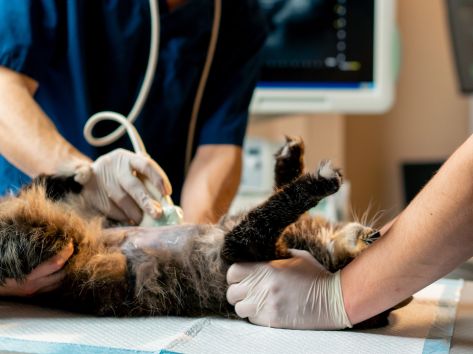
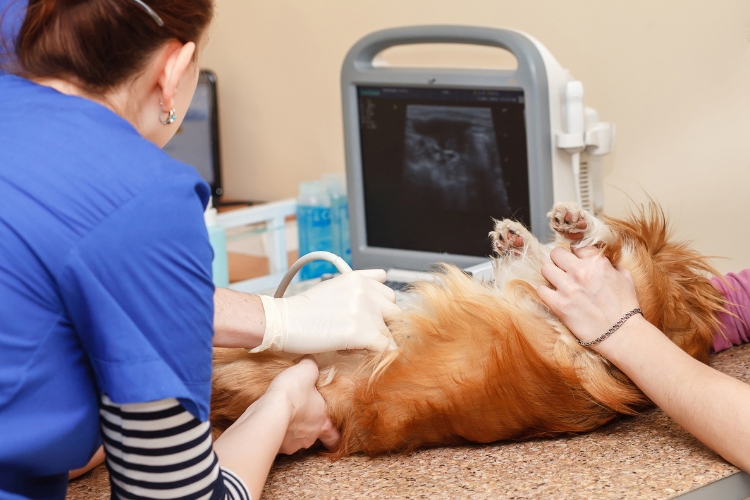
Veterinarians may use blood tests, imaging like X-rays or ultrasounds, and urine analysis to diagnose conditions. The type of test depends on your pet’s symptoms and medical history, helping provide a clearer picture of their health.
- Can routine checkups prevent diagnostic delays?
Yes, regular exams can identify issues before noticeable symptoms appear. Preventive care helps detect early-stage conditions, allowing for timely treatment and better long-term health management for your pet.
- Is it okay to monitor symptoms at home before visiting a vet?
Mild symptoms can sometimes be observed briefly, but persistent or worsening signs should not be ignored. If symptoms last more than a day or two or seem severe, it’s best to seek veterinary care promptly.
- Do older pets face higher risks from delays?
Yes, senior pets are more prone to chronic conditions that require early management. Delays in diagnosis can lead to faster disease progression, making timely evaluation especially important for aging animals.