Early birds welcome! 7 AM appointments available on select days starting April 1- Call or Book Online!

Signs Your Pet Needs Professional Dental Care
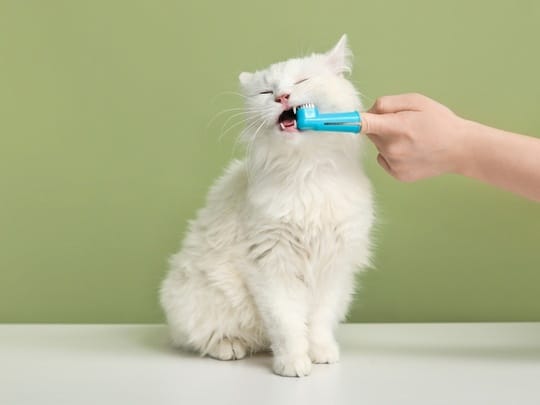
Pet owners often pay close attention to changes in their pet’s activity levels, appetite, and behavior, but early signs of dental problems can easily go unnoticed. Many pets do not show obvious discomfort even when their teeth or gums are causing issues. Paying attention to subtle changes in your pet’s mouth, eating patterns, and daily habits can help detect oral health concerns early and support their comfort and overall well-being.
At East Hampton Veterinary Group, pet parents can receive guidance on maintaining their companion’s oral health and understanding when professional attention may be needed. Recognizing early warning signs can help you take timely action and support your pet’s long-term health.
Professional pet dental care focuses on more than clean teeth. It helps address problems affecting the gums, teeth, and structures inside the mouth while supporting your pet’s ability to eat comfortably. Understanding common symptoms can help you know when it may be time to schedule a veterinary examination.
What Are the Signs Your Pet May Need Professional Dental Care?
Dental concerns can develop gradually, and some pets may hide discomfort until the condition becomes more advanced. Paying attention to small changes can help you identify when your pet may need veterinary support.
1. Ongoing Bad Breath
A temporary odor after eating may not always be concerning, but persistent bad breath can be a sign of an oral health issue. Bacteria buildup, plaque, tartar, gum inflammation, and other conditions can contribute to unpleasant breath.
Many pet owners assume bad breath is normal, especially as pets get older. However, persistent odor should be evaluated, as it may indicate changes in the mouth that are not visible from the outside.
2. Changes in Eating or Chewing Habits
A pet with dental discomfort may behave differently during mealtime. Some signs include:
- Dropping food while eating
- Chewing on one side of the mouth
- Eating more slowly
- Avoiding crunchy foods
- Hesitating before eating
- Showing discomfort while chewing
These changes may result from sore gums, damaged teeth, or other oral issues. Since changes in eating can also occur with other health conditions, a veterinary examination can help determine the possible cause.
3. Red, Swollen, or Bleeding Gums
Healthy gums should not appear severely irritated or swollen. Redness, bleeding, or sensitivity around the gums may indicate inflammation caused by plaque and tartar accumulation.
When bacteria remain around the teeth, they can affect the tissues that support them. Over time, this may contribute to discomfort, tooth instability, and other oral health concerns.
4. Visible Tartar or Tooth Discoloration
Yellow or brown buildup on your pet’s teeth may be tartar. Unlike soft plaque, tartar cannot always be removed with simple brushing once it hardens.
Pet owners may also notice:
- Loose teeth
- Chipped or damaged teeth
- Missing teeth
- Dark areas on teeth
Visible changes should be checked by a veterinarian because problems can exist below the gum line even when the outside of the tooth looks normal.
5. Excessive Drooling or Pawing at the Mouth
Some pets show mouth discomfort through changes in behavior. You may notice increased drooling, rubbing the face, pawing at the mouth, or shaking the head.
These signs may have different causes, including dental discomfort, oral injuries, or other medical concerns. A professional evaluation can help identify what is affecting your pet.
6. Facial Swelling or Sensitivity Around the Jaw
Swelling near the mouth, cheek, or jaw area should not be ignored. It may result from dental infections, injuries, or other conditions requiring veterinary attention.
If your pet appears in pain, refuses food, or has sudden swelling, it is important to contact a veterinarian promptly.
Why Do Pets Develop Dental Problems?
Dental problems often begin when bacteria collect on the teeth and form plaque. If plaque is not removed, it can harden into tartar, which may irritate the gums and contribute to periodontal disease.
Several factors may increase the risk of dental concerns, including:
- Age-related oral changes
- Breed and mouth structure
- Crowded teeth
- Lack of routine dental care
- Previous dental issues
- Individual health factors
Some pets may develop dental problems more easily because their mouth structure makes it harder for food particles and bacteria to clear naturally.
How Do Veterinarians Evaluate Pet Dental Health?
A dental examination involves more than checking the teeth that are visible. Veterinarians assess the overall condition of the mouth, including the gums, teeth, and supporting tissues.
During an evaluation, a veterinarian may look for:
- Plaque and tartar buildup
- Gum inflammation
- Tooth damage
- Signs of infection
- Changes that may require further attention
In some situations, dental X-rays may be recommended because certain problems cannot be identified by looking only at the surface of the teeth.
Professional cleaning procedures may include removing buildup, polishing teeth, and addressing concerns found during the examination. The recommended approach depends on your pet’s health, age, and oral condition.
When Should You Schedule a Dental Examination for Your Pet?
Not every change requires emergency care, but certain signs should encourage pet owners to schedule a veterinary visit.
Consider arranging an examination if your pet has:
- Persistent bad breath
- Difficulty chewing
- Changes in appetite
- Gum redness or bleeding
- Visible tartar buildup
- Loose or damaged teeth
- Increased drooling
- Signs of mouth discomfort
Some symptoms may require faster attention, especially if your pet has facial swelling, severe pain, bleeding, or difficulty eating and drinking.
How Can You Help Maintain Your Pet’s Oral Health?
Regular home care can support your pet’s dental health, but it should work alongside professional veterinary evaluations.
Helpful habits include:
- Checking your pet’s mouth regularly
- Using veterinarian-approved dental products
- Following recommended brushing routines
- Scheduling wellness examinations
- Monitoring changes in eating habits or behavior
Dental care routines should always be appropriate for your pet. Products designed for people may not be safe for animals, so ask your veterinarian before introducing new dental products or routines.
Give Your Pet the Support Needed for a Healthier Smile
Your pet’s oral health plays an important role in their comfort and daily quality of life. Dental problems may develop quietly, and many pets do not show obvious signs until discomfort becomes significant.
Understanding the warning signs of pet dental care needs can help you recognize when professional guidance may be necessary. If you notice changes in your pet’s breath, eating habits, gums, or behavior, scheduling an evaluation can help identify potential concerns early.
For pet parents in East Hampton and nearby areas, timely veterinary attention can make a difference in maintaining oral health and preventing dental problems from progressing. Contact East Hampton Veterinary Group to discuss your pet’s dental needs and learn how professional dental services can support your companion’s wellness.
FAQs
1. What are the first signs of dental problems in pets?
Early signs may include bad breath, chewing changes, tartar buildup, red gums, drooling, or changes in eating habits. Some pets show subtle symptoms, so regular veterinary examinations are important.
2. Is bad breath normal in dogs and cats?
Persistent bad breath is not considered a normal part of aging. It may be linked to plaque buildup, gum problems, or other health concerns that require veterinary evaluation.
3. How often should pets receive dental examinations?
The recommended frequency depends on factors such as age, breed, health history, and existing oral concerns. A veterinarian can suggest an appropriate schedule for your pet.
4. Can dental disease affect my pet’s eating habits?
Yes, dental discomfort may make chewing painful and cause pets to eat differently. However, appetite changes can have many possible causes, so a veterinary examination is recommended.
5. Can I clean my pet’s teeth at home?
Home brushing and veterinarian-approved dental products can help support oral health. However, professional evaluations are needed to identify and address existing dental concerns.
6. What happens during a professional pet dental cleaning?
A veterinary dental cleaning may include an oral examination, removal of plaque and tartar, polishing, and assessment of dental issues. Additional care depends on what is found during the evaluation.