Early birds welcome! 7 AM appointments available on select days starting April 1- Call or Book Online!

Caring for Your Pet’s Teeth: Essential Habits for a Brighter Smile
A healthy smile is more than just clean teeth for your pet. Good oral hygiene plays a major role in your pet’s overall health, comfort, and quality of life. Unfortunately, many dogs and cats develop dental disease long before pet owners notice visible symptoms. Without proper care, plaque and tartar buildup can lead to painful infections, tooth loss, and serious health complications.
The good news is that consistent oral hygiene habits and routine veterinary care can help prevent many common dental problems. By understanding how to care for your pet’s teeth properly, you can support their long-term wellness and reduce the risk of disease.
At East Hampton Veterinary Group, we believe preventive dental health is an important part of lifelong wellness for pets. This blog is especially for pet owners in East Hampton, NY who want to improve their pet’s oral health and learn practical habits that help keep teeth and gums healthy throughout every stage of life.
Why Oral Health Matters for Pets
Many pet owners underestimate how much oral health affects the body. Dental disease does not only impact the mouth. In fact, bacteria from infected gums can spread through the bloodstream and affect vital organs such as the heart, liver, and kidneys.
Poor oral health may also cause:
- Chronic pain
- Difficulty eating
- Weight loss
- Bad breath
- Gum infections
- Tooth loss
- Behavioral changes
Because pets naturally hide discomfort, dental disease often progresses silently. Routine exams and healthy daily habits help identify problems before they become severe.
Maintaining proper pet dental care supports both oral and overall health.
Understanding Common Dental Problems in Pets
Dental disease is one of the most common health conditions seen in dogs and cats. Plaque forms on the teeth every day. If not removed, it hardens into tartar, which irritates the gums and creates an environment where bacteria can thrive.
Some common dental conditions include:
Periodontal Disease
Periodontal disease affects the gums and structures surrounding the teeth. It begins with gingivitis and may progress to infection, bone loss, and loose teeth if untreated.
Tooth Fractures
Pets may crack or fracture teeth while chewing hard objects, bones, or toys. Broken teeth can expose nerves and cause pain or infection.
Gingivitis
Gingivitis causes gum inflammation and redness. Early treatment can often reverse the condition before it progresses.
Oral Infections
Bacterial infections inside the mouth may create swelling, discomfort, and difficulty eating.
Recognizing these conditions early improves treatment success and helps prevent long-term complications.
Signs Your Pet May Have Dental Problems
Pets cannot tell us when they feel oral pain, so it is important to recognize warning signs that may indicate dental disease.
Common symptoms include:
- Persistent bad breath
- Yellow or brown tartar buildup
- Red or swollen gums
- Drooling
- Difficulty chewing
- Loss of appetite
- Pawing at the mouth
- Loose or missing teeth
- Facial swelling
Even mild symptoms deserve veterinary attention because dental disease often worsens over time.
If your pet shows any unusual oral symptoms, schedule a veterinary evaluation promptly.
Brushing Your Pet’s Teeth Is One of the Best Habits
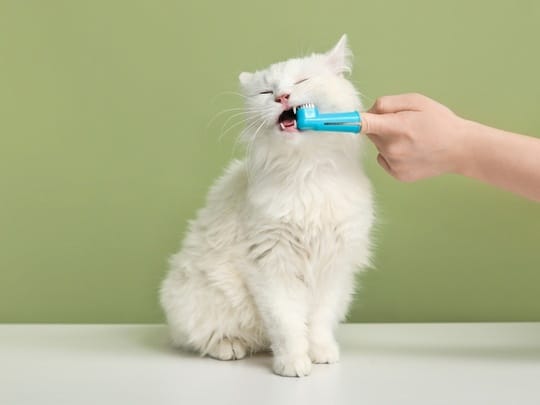
Daily tooth brushing remains one of the most effective ways to prevent plaque buildup and maintain oral health.
Although brushing may seem difficult initially, many pets adjust gradually with patience and positive reinforcement.
Here are some helpful brushing tips:
- Use pet-safe toothpaste only
- Choose a soft-bristled pet toothbrush
- Start slowly and keep sessions short
- Reward your pet afterward
- Focus on consistency rather than perfection
Human toothpaste should never be used because it may contain ingredients harmful to pets.
Even brushing several times a week can make a noticeable difference in reducing plaque accumulation and improving oral hygiene.
Professional Dental Cleanings Are Still Necessary
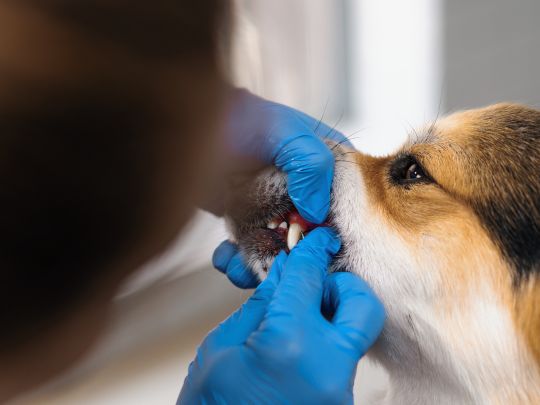
Home brushing helps significantly, but professional veterinary cleanings remain essential. Some plaque and tartar buildup occur below the gumline where brushing cannot fully reach.
Professional cleanings allow veterinarians to:
- Remove tartar safely
- Examine teeth thoroughly
- Detect infections or fractures
- Evaluate gum health
- Perform dental X-rays if necessary
Dental X-rays are especially important because many oral problems develop beneath the surface and are invisible during routine visual exams.
Routine professional cleanings help prevent severe disease and protect long-term oral health.
Diet Can Influence Oral Health
Nutrition also affects dental wellness. Certain diets and dental treats may help reduce plaque buildup and support cleaner teeth.
Veterinarians may recommend:
- Dental-specific diets
- Approved dental chews
- Oral health treats
- Water additives
However, not all treats are safe for every pet. Hard bones, antlers, or objects that are too tough may fracture teeth and create additional problems.
Balanced nutrition combined with regular dental care supports healthier teeth and gums over time.
Safe Chewing Habits Matter
Chewing is natural for many pets, especially dogs. Appropriate chew toys can help reduce plaque buildup and provide mental stimulation.
However, choosing safe chew products is important.
Avoid overly hard items such as:
- Cooked bones
- Antlers
- Hard nylon toys
- Ice cubes
- Rocks
These objects may crack or damage teeth.
Instead, choose veterinarian-approved chew toys designed specifically for dental support and safety.
Monitoring chewing habits also helps prevent accidental choking or injuries.
Dental Health Changes With Age
As pets grow older, they become more vulnerable to dental disease. Aging pets may experience gum recession, weakened teeth, and chronic oral infections more frequently.
Senior pets often require:
- More frequent dental evaluations
- Additional cleanings
- Specialized diets
- Pain management support
Because dental problems may worsen gradually, regular veterinary visits become increasingly important during the senior years.
Early intervention helps aging pets remain comfortable and maintain a better quality of life.
Why Routine Veterinary Exams Are Important
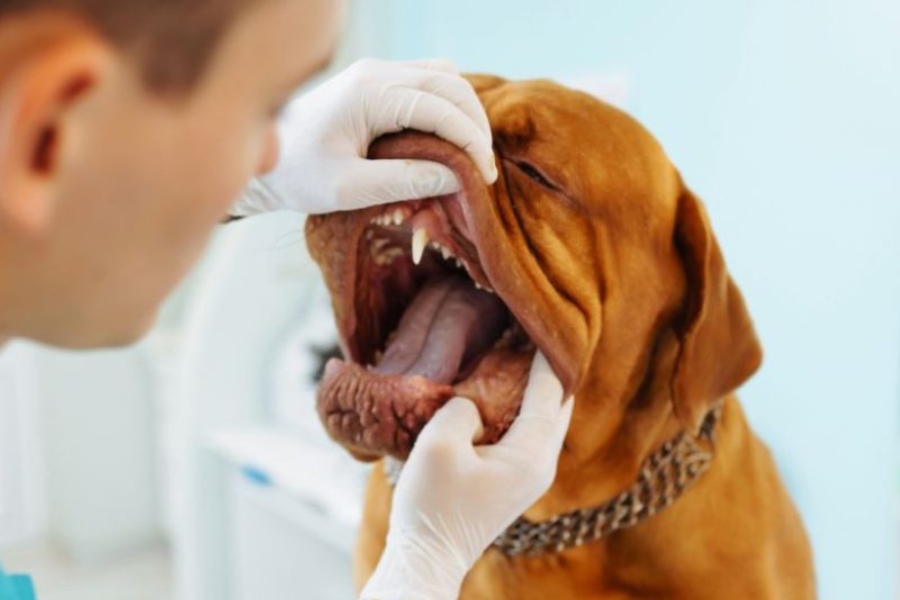
Routine wellness visits allow veterinarians to evaluate oral health consistently and identify subtle concerns before they become severe.
During dental examinations, veterinarians assess:
- Gum condition
- Tartar buildup
- Tooth stability
- Oral masses
- Signs of infection
- Jaw abnormalities
Preventive evaluations help veterinarians recommend appropriate treatment plans based on your pet’s age, breed, and oral health condition.
Regular pet dental care appointments help reduce the risk of advanced dental disease and painful complications.
The Connection Between Oral Health and Overall Wellness
Dental disease can affect far more than the mouth. Chronic oral infections place stress on the immune system and may contribute to other health concerns.
Research shows that severe periodontal disease may increase the risk of:
- Heart disease
- Kidney problems
- Liver complications
- Chronic inflammation
Additionally, oral pain may affect behavior, appetite, and activity levels.
By protecting oral health, pet owners also support their pet’s long-term physical wellness and comfort.
Creating a Dental Care Routine at Home
Consistency is one of the most important factors in maintaining healthy teeth. Establishing simple habits at home helps reduce plaque buildup between veterinary visits.
A good home routine may include:
- Regular tooth brushing
- Dental treats approved by veterinarians
- Safe chew toys
- Monitoring for oral changes
- Scheduling routine veterinary exams
Pet owners should also pay attention to changes in eating habits, chewing behavior, or breath odor because these may signal developing dental problems.
Small daily efforts can have a major impact on oral health over time.
Helping Pets Feel Comfortable With Oral Care
Some pets resist brushing or oral handling initially. Patience and gradual training help create a more positive experience.
Helpful strategies include:
- Introducing the toothbrush slowly
- Using flavored pet toothpaste
- Offering rewards after brushing
- Keeping sessions calm and short
- Practicing regularly
Positive reinforcement helps pets feel more relaxed and cooperative during dental care routines.
Starting oral care habits early in life also makes long-term maintenance easier.
Preventive Care Protects Long-Term Dental Health
Preventive veterinary care plays a key role in reducing oral disease and improving overall wellness. Consistent monitoring allows veterinarians to identify small concerns before they become painful or expensive to treat.
Routine pet dental care provides several important benefits:
- Fresher breath
- Healthier gums
- Reduced pain
- Lower infection risk
- Improved eating comfort
- Better long-term wellness
Preventive care helps pets stay healthier, happier, and more comfortable throughout their lives.
Healthy teeth and gums are essential for your pet’s overall well-being. By combining regular brushing, safe chewing habits, balanced nutrition, professional cleanings, and routine veterinary exams, pet owners can help prevent dental disease and support lifelong oral health. Consistent attention to oral hygiene not only improves your pet’s comfort but also helps reduce the risk of serious health complications.
If you’re in East Hampton and looking for pet dental care near you, schedule an appointment with East Hampton Veterinary Group. Our veterinary team is dedicated to providing compassionate dental services and personalized care that help keep your pet’s smile healthy and bright.
FAQs
1. Why is regular dental care important for pets?
Regular dental care helps prevent plaque buildup, gum disease, tooth loss, and painful oral infections. Healthy teeth and gums also support your pet’s overall health and comfort.
2. What dental services does East Hampton Veterinary Group provide?
East Hampton Veterinary Group offers comprehensive dental exams, professional cleanings, digital dental X-rays, tooth extractions, and personalized oral health treatment plans for dogs and cats.
3. How often should my pet have a dental checkup?
Most pets should receive annual dental evaluations, although some pets may need more frequent cleanings depending on their age, breed, and oral health condition.
4. What are signs that my pet may have dental disease?
Common symptoms include bad breath, swollen gums, tartar buildup, drooling, difficulty chewing, decreased appetite, and loose teeth.
5. Can poor oral health affect my pet’s overall wellness?
Yes. Dental disease can allow bacteria to spread through the bloodstream, potentially affecting the heart, liver, and kidneys if left untreated.
6. How can I schedule a dental appointment with East Hampton Veterinary Group?
You can contact East Hampton Veterinary Group to schedule a dental exam or professional cleaning for your pet. Our veterinary team is committed to helping pets maintain healthy teeth, healthier gums, and brighter smiles through compassionate dental care.