Early birds welcome! 7 AM appointments available on select days starting April 1- Call or Book Online!

3-3-3 Rule for Kittens: Helping Your New Pet Settle Comfortably
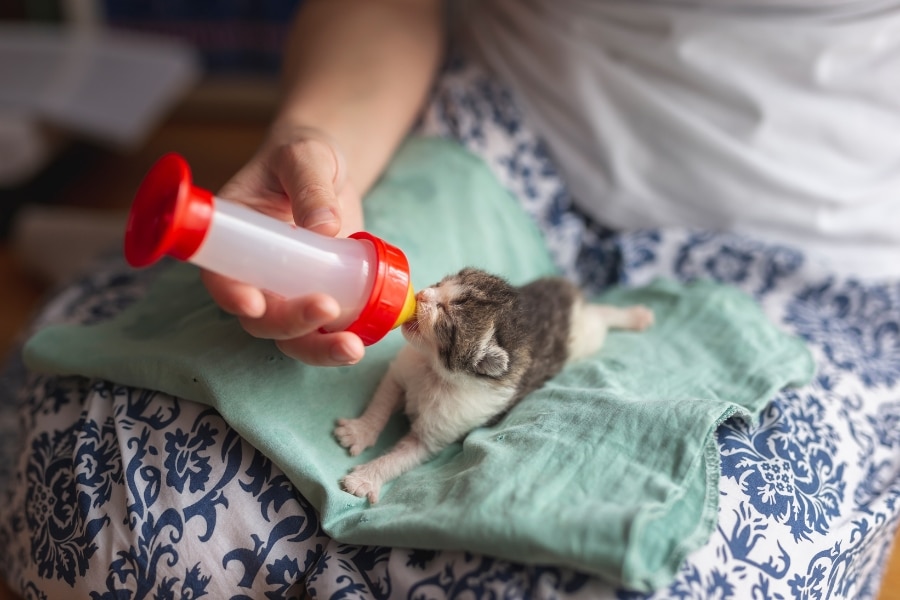
Bringing a new kitten home is an exciting and emotional experience. However, it can also feel overwhelming for both the pet and the owner. Kittens need time to adjust to new surroundings, people, and routines. Therefore, understanding their behavior during this transition is essential for building trust and ensuring a smooth adjustment.
One helpful guideline for new pet parents is the “3-3-3 rule,” which explains how kittens typically adapt over time. This framework helps owners set realistic expectations and provide the right support during each stage of adjustment. At East Hampton Veterinary Group, new pet owners receive expert guidance to ensure their kittens grow into healthy and confident companions. This is especially helpful for families in East Hampton, NY, who want the best start for their new pets.
Understanding the 3-3-3 Rule for Kittens
The 3-3-3 rule is a simple way to understand how kittens adjust to a new home. It breaks the adjustment period into three stages:
- First 3 days: Decompression period
- First 3 weeks: Learning and exploration
- First 3 months: Full adjustment and bonding
Each stage represents an important part of emotional and behavioral development. While every kitten is different, this timeline provides a helpful general structure.
Additionally, this rule is closely connected to early kitten care, as it guides owners on how to respond during each phase of transition.
First 3 Days: The Decompression Phase
The first few days in a new home are often the most stressful for a kitten. Everything is unfamiliar—new smells, sounds, and people. As a result, kittens may hide, avoid interaction, or show signs of fear.
During this phase, it is important to create a safe and quiet space. Provide a small room with food, water, a litter box, and a cozy bed. This helps the kitten feel secure without overwhelming stimulation.
Moreover, avoid forcing interaction. Instead, allow the kitten to approach you at their own pace. Gentle voices and slow movements help build initial trust.
At this stage, kitten care should focus on comfort and stability rather than training or socialization.
First 3 Weeks: Exploration and Learning
After the initial adjustment period, kittens begin to explore their surroundings more confidently. They start learning household routines and recognizing family members.
During this phase, you may notice increased curiosity and playful behavior. However, kittens can still be cautious in new situations. Therefore, gradual exposure is key.
Additionally, this is the time to introduce litter training consistency, feeding schedules, and gentle handling. Positive reinforcement helps shape good behavior.
Transition words like “therefore” and “as a result” become important here because consistency directly impacts learning. Furthermore, regular interaction helps strengthen the bond between kitten and owner.
Proper kitten care during this stage supports emotional development and helps kittens feel more comfortable in their new environment.
First 3 Months: Full Adjustment and Bonding
By the third month, most kittens begin to feel fully settled in their new home. They recognize their environment, trust their owners, and show stable behavior patterns.
At this stage, playfulness increases significantly. Kittens may become more social, active, and affectionate. However, they still need structure and guidance to maintain healthy habits.
Additionally, this is an ideal time for continued training, socialization, and routine veterinary check-ups. Positive reinforcement remains essential for reinforcing good behavior.
Over time, the bond between pet and owner becomes stronger, leading to a lifelong relationship built on trust and care.
Common Challenges During Adjustment
Although the 3-3-3 rule provides a helpful guideline, some kittens may take longer to adjust. Common challenges include:
- Hiding for extended periods
- Loss of appetite due to stress
- Litter box avoidance
- Excessive vocalization
- Fear of human interaction
However, these behaviors are often temporary. With patience and proper support, most kittens adapt successfully.
In some cases, professional advice may be helpful, especially when behavioral issues persist. Veterinary teams can guide owners through effective solutions and ensure healthy development.
Importance of Routine in Kitten Development
Routine plays a major role in helping kittens feel secure. Feeding schedules, playtime, and rest periods should remain consistent.
Moreover, predictable routines reduce stress and help kittens understand expectations. This stability supports emotional well-being and encourages positive behavior.
Additionally, early attention to health and hygiene is a key part of kitten care. Regular grooming, vaccinations, and check-ups ensure long-term wellness.
Socialization and Building Confidence
Socialization is one of the most important parts of raising a kitten. Early positive experiences help shape behavior throughout life.
Introduce new sounds, people, and environments gradually. Furthermore, reward calm behavior with treats or affection.
However, avoid overwhelming your kitten with too many new experiences at once. Slow and steady exposure builds confidence more effectively.
As a result, well-socialized kittens grow into friendly and adaptable adult cats.
When to Seek Veterinary Guidance
If your kitten shows ongoing stress, refusal to eat, or unusual behavior beyond the adjustment period, it may be time to seek professional advice.
Veterinary teams can assess health conditions, provide behavioral recommendations, and ensure your kitten is developing properly.
Early intervention is always beneficial and supports long-term well-being.
Local Support for New Pet Owners
Bringing a kitten into your home is a joyful experience, but it also requires responsibility and guidance. Local veterinary support helps ensure you have access to expert advice whenever needed.
East Hampton Veterinary Group is committed to supporting new pet owners with compassionate care and professional guidance. Our team focuses on preventive health and behavioral support to help kittens thrive.
FAQs
1. What is the 3-3-3 rule for kittens?
The 3-3-3 rule explains how kittens typically adjust to a new home in three stages: the first 3 days for settling in, 3 weeks for learning routines, and 3 months for full adjustment.
2. Why is the 3-3-3 rule important for new kitten owners?
It helps new pet owners understand normal behavior changes and set realistic expectations during the kitten’s transition period.
3. What should I expect in the first 3 days with a new kitten?
During the first few days, kittens may hide, feel scared, or avoid interaction as they adjust to unfamiliar surroundings.
4. How can I help my kitten during the adjustment period?
Provide a safe space, maintain a routine, use gentle handling, and allow your kitten to explore at its own pace.
5. When does a kitten fully adjust to a new home?
Most kittens feel fully settled within about 3 months, becoming more confident, social, and comfortable in their environment.
6. When should I contact East Hampton Veterinary Group?
Contact East Hampton Veterinary Group if your kitten shows ongoing stress, refuses to eat, or displays unusual behavior during the adjustment period.