Early birds welcome! 7 AM appointments available on select days starting April 1- Call or Book Online!

How to Take Care of a Kitten: Essential Tips for New Cat Owners
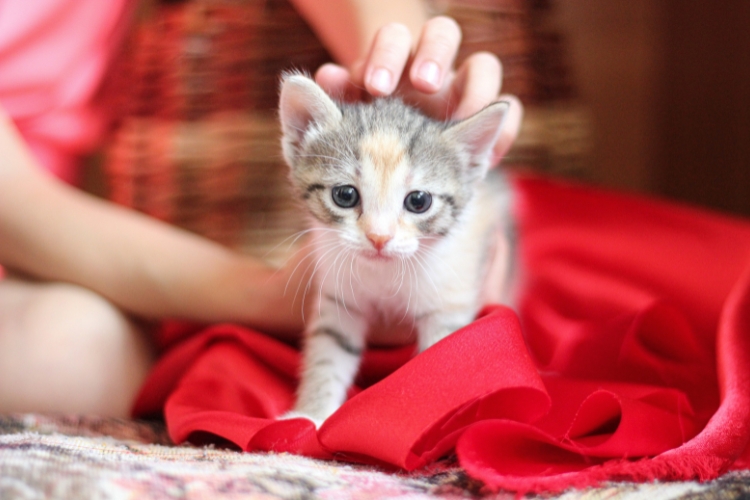
Adopting a kitten is a rewarding experience, but it comes with a great deal of responsibility. Whether you’re a first-time cat owner or adding a new furry friend to your family, knowing how to properly care for your kitten is essential to ensure they grow up healthy and happy. In East Hampton, NY, where the community thrives on care and compassion, it’s important to provide your kitten with the right care from the start. This guide will walk you through the essential tips for taking care of a kitten, from their basic needs to socialization and health care.
1. Setting Up a Safe and Comfortable Home for Your Kitten
The first step in kitten care is creating a safe, comfortable space for your new pet. Kittens are naturally curious and love to explore, so it’s essential to kitten-proof your home to avoid any accidents.
- Create a Cozy Space: Set up a small, quiet area with a comfy bed, food, and water bowls. This will allow your kitten to acclimate to their new home without feeling overwhelmed.
- Litter Box: Show your kitten where the litter box is, and ensure it’s in a quiet, accessible location. Make sure it’s large enough for them to move around comfortably.
- Safe Exploration: Allow your kitten to explore different parts of your home under supervision. Make sure you keep any dangerous items, like cleaning supplies or electrical cords, out of reach.
By setting up this space early, you give your kitten a sense of security as they transition into their new environment.
2. Feeding Your Kitten the Right Way
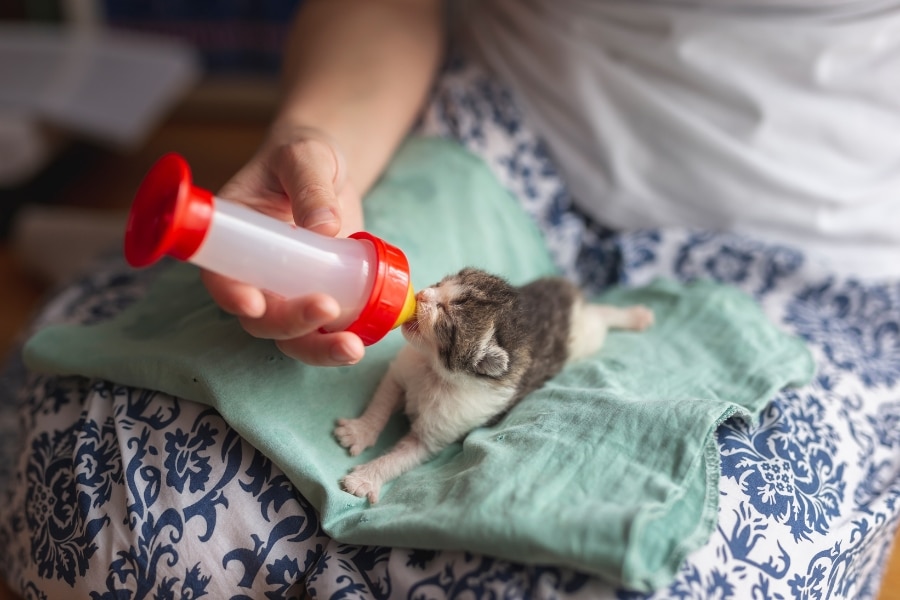
Proper nutrition is vital for a kitten’s growth and development. Kittens require more calories and nutrients than adult cats, so feeding them appropriately is essential.
- Kitten-Specific Food: Choose a high-quality kitten food that is specially formulated for their nutritional needs. Kittens need protein, fat, and a variety of vitamins to support their rapid growth.
- Frequency of Feeding: During the first few months, kittens need to be fed more frequently than adult cats. Aim for three to four meals a day until your kitten is about six months old.
- Fresh Water: Always ensure your kitten has access to fresh, clean water. Hydration is important for their overall health, especially when eating dry food.
By following these guidelines, you help your kitten develop healthy eating habits that will last throughout their life.
3. Regular Vet Checkups and Vaccinations
The first few months of your kitten’s life are crucial for their health. Regular veterinary checkups are essential to catch any health issues early on. In East Hampton, NY, it’s important to establish a relationship with a local veterinary clinic that you can trust for all your kitten’s health needs.
- First Vet Visit: Take your kitten to the vet for their first checkup as soon as possible after bringing them home. Your veterinarian will check their overall health, administer vaccinations, and provide advice on parasite control.
- Vaccinations and Preventive Care: Kittens need a series of vaccinations to protect them from common diseases. Follow your vet’s recommended vaccination schedule to ensure your kitten stays healthy.
- Parasite Control: Kittens are susceptible to parasites like fleas, ticks, and worms. Your veterinarian will guide you on the best treatments to prevent and treat these issues.
Regular vet visits will help keep your kitten healthy and ensure they grow into a strong, happy cat.
4. Socializing Your Kitten
Socialization is one of the most important aspects of kitten care. The first few months of your kitten’s life are crucial for their social development. Early socialization helps them become well-adjusted cats that can comfortably interact with people, other pets, and their environment.
- Handling: Gently handle your kitten every day to get them used to human touch. This will help them develop trust and bond with you.
- Introducing Other Pets: If you have other pets at home, introduce them slowly to your new kitten. Monitor their interactions and ensure that they are comfortable with each other.
- Exposure to New Experiences: Expose your kitten to various sights, sounds, and experiences in a calm and controlled way. This will help them adapt to new environments and situations as they grow older.
By fostering a positive and safe environment for your kitten to explore, you help them grow into a confident and friendly adult cat.
5. Litter Training and Grooming
Kittens are generally quick learners when it comes to using the litter box. However, consistency and patience are key when teaching them.
- Litter Training: Place your kitten in the litter box after meals and naps. Most kittens instinctively know where to go, but it’s always good to guide them.
- Grooming: Regular grooming is essential for keeping your kitten clean and comfortable. Use a soft brush to gently groom their fur, and keep their nails trimmed to prevent them from becoming too long.
- Ear and Eye Care: Check your kitten’s ears and eyes regularly for any signs of infection. Cleaning them gently with a damp cloth can help prevent buildup and discomfort.
By starting grooming and litter training early, you teach your kitten good habits that will make them easier to care for as they grow.
6. Kitten-proofing Your Home
As your kitten grows, their curiosity will increase. It’s important to kitten-proof your home to prevent accidents and keep them safe.
- Hide Hazardous Items: Keep household cleaners, medications, and any other toxic substances out of reach. Kittens love to explore, and they might chew on things that are harmful to them.
- Secure Furniture and Cords: Make sure heavy furniture is stable and won’t tip over if your kitten climbs on it. Keep electrical cords out of reach to prevent chewing.
- Toys and Scratching Posts: Provide plenty of toys and scratching posts to keep your kitten entertained and mentally stimulated. This will also help prevent them from scratching furniture.
By taking these steps to kitten-proof your home, you provide a safe environment for your curious little one.
Taking care of a kitten is a rewarding journey, and with the right approach, your new furry friend will grow into a happy, healthy adult cat. In East Hampton, NY, East Hampton Veterinary Group is here to provide expert kitten care, ensuring that your kitten receives the best possible start in life.
If you’re in East Hampton and looking for expert kitten care near you, schedule an appointment with East Hampton Veterinary Group. Our veterinary team is here to provide the care your kitten needs for a lifetime of health and happiness.
FAQs:
1. How often should I take my kitten to the vet?
It’s recommended to take your kitten to the vet every 3-4 weeks for its first few months to ensure it’s receiving the proper vaccinations and health care.
2. What should I feed my kitten?
Feed your kitten high-quality kitten food formulated for their nutritional needs. Make sure to provide fresh water daily.
3. How do I socialize my kitten?
Gently handle your kitten every day, expose them to various experiences, and introduce them slowly to other pets to help them become well-adjusted.
4. When can I start grooming my kitten?
Start grooming your kitten early with gentle brushing to get them used to the process. This will help maintain their coat and prevent matting.
5. How do I litter train my kitten?
Place your kitten in the litter box after meals and naps. Most kittens instinctively know where to go, but consistency will help them learn.
6. How do I keep my kitten safe at home?
Kitten-proof your home by hiding hazardous items, securing furniture, and providing plenty of toys and scratching posts to keep your kitten entertained and safe.