Early birds welcome! 7 AM appointments available on select days starting April 1- Call or Book Online!

The Role of Playtime in Your Puppy’s Development
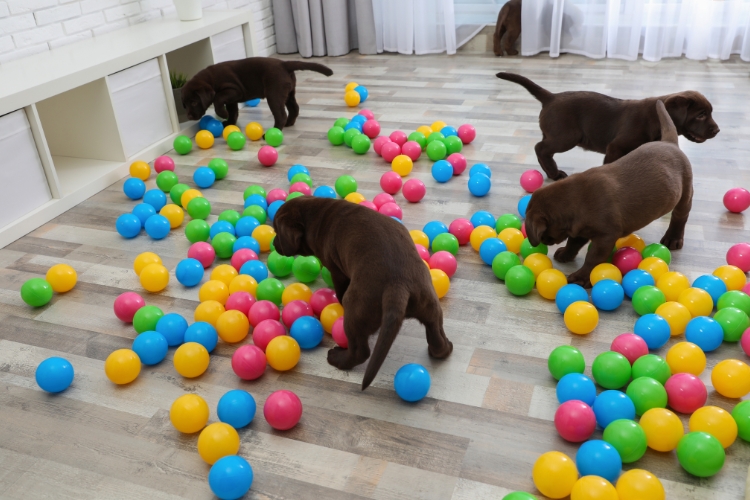
Bringing a new puppy into your life is an exciting experience, full of joy and new responsibilities. One of the most important aspects of raising a healthy, well-behaved puppy is ensuring they receive proper physical and mental stimulation. While puppies are naturally energetic and curious, playtime is a crucial component of their development. Play helps puppies build important skills, strengthen their bonds with you, and learn how to navigate their environment.
This blog is especially for puppy owners in East Hampton, where the hustle and bustle of daily life can make it difficult to focus on the importance of your puppy’s development. Playtime is more than just fun; it’s a vital part of growing up healthy and well-adjusted. This guide will dive into the role of playtime in your puppy’s development and offer tips to make the most of playtime sessions.
Why Playtime is Crucial for Puppy Development
Play is often seen as just a fun activity, but for puppies, it’s a critical component of their growth and development. During play, puppies learn essential social skills, improve their physical coordination, and experience emotional stimulation.
Puppies are at a stage in their lives where they are learning and developing rapidly. During these formative months, they need plenty of opportunities to interact with their environment, other dogs, and humans. Playtime is a natural puppy care method to expose them to new experiences while also giving them a chance to develop mental and physical strength.
How Playtime Contributes to Physical and Mental Growth
Through play, puppies can engage in physical activities that help them develop coordination, strength, and agility. It also allows them to exercise and burn off excess energy, which helps prevent undesirable behaviors such as chewing or excessive barking. Mental stimulation is equally important. Play can help puppies practice problem-solving skills, focus, and patience.
The Benefits of Playtime for Puppies
Playtime offers many benefits for puppies, and each form of play contributes to their overall well-being in different ways. Below are some of the key benefits of regular play:
1. Socialization Skills
One of the most significant benefits of playtime is its role in socializing your puppy. Playing with other dogs, humans, and even new environments exposes puppies to various social situations, helping them learn appropriate behaviors, which is crucial for puppies to become well-adjusted and comfortable around other animals and people.
2. Physical Health and Exercise
Puppies have boundless energy, and playtime provides a way for them to exercise and stay healthy. Physical play helps develop muscle strength, coordination, and cardiovascular fitness, keeping your puppy fit and helping prevent obesity. It also reduces the likelihood of behavioral problems stemming from pent-up energy.
3. Mental Stimulation and Cognitive Development
Interactive play that challenges your puppy’s brain can improve their cognitive development. Puzzle toys, hide-and-seek games, and fetch are great ways to stimulate your puppy’s mind. Mental exercise helps with focus, problem-solving, and following commands, all of which are essential for good behavior.
4. Bonding with You
Playtime is an opportunity for you to bond with your puppy and strengthen your relationship. Puppies naturally bond with those who provide veterinary care, love, and attention, and play is a fun and engaging way to build trust. The more quality time spent together, the more your puppy will see you as a loving leader.
5. Teaches Discipline and Limits
Through play, puppies learn boundaries and discipline. For example, they’ll understand that there are rules when playing tug-of-war or fetch, such as “drop the toy” or “gentle play.” These boundaries teach puppies impulse control and proper behavior, laying the groundwork for better obedience as they mature.
Types of Playtime Activities for Puppies
Different types of play can help your puppy in various ways, from improving physical health to teaching them basic commands. Below are several types of play that are great for puppies:
1. Interactive Play with Toys
Using toys is one of the best ways to engage with your puppy. Interactive toys like chew toys, tug-of-war ropes, or puzzle toys encourage problem-solving, dexterity, and mental stimulation. Chew toys also help relieve teething pain, which is common in puppies as they develop.
2. Social Play with Other Dogs
If your puppy is comfortable around other dogs, playtime with other puppies or adult dogs is an excellent way to teach them to socialize. Social play teaches your puppy essential skills, such as reading dog body language, communicating with other animals, and managing their energy levels in different social settings.
3. Physical Play and Exercise
Activities like fetch, running, and playing tag are great ways to help your puppy burn off excess energy. These physical activities build coordination, strength, and stamina. Just make sure to monitor the duration and intensity of exercise, as puppies are still growing and can easily overexert themselves.
4. Hide-and-Seek or Trick Training
Playing hide-and-seek or teaching your puppy simple tricks can help them develop focus, patience, and problem-solving abilities. Hide-and-seek also engages their natural curiosity and encourages them to use their noses. Trick training can be an excellent way to enhance their mental stimulation while also fostering good behavior.
5. Alone Play with Puzzle Toys
Puzzle toys are an excellent way to keep your puppy mentally engaged when they are alone or when you’re busy. These toys encourage your puppy to figure out how to get a treat or toy hidden inside. Puzzle play helps develop problem-solving skills and keeps your puppy entertained.
Playtime Guidelines for Puppies
While playtime is essential for your puppy’s development, it’s important to ensure the activities are appropriate for their age, breed, and health. Here are some guidelines to help you make the most of your puppy’s playtime:
1. Keep Play Sessions Short and Sweet
Puppies have short attention spans, so keeping play sessions short, around 15 to 20 minutes, is ideal. Frequent, shorter play sessions are better than longer ones, as puppies can get overstimulated or fatigued quickly.
2. Offer a Variety of Play Activities
To ensure your puppy’s physical and mental development, offer a variety of play activities. Rotate toys and games to keep things exciting and engaging. Occasionally, change the location of playtime to expose your puppy to new environments and experiences.
3. Monitor Your Puppy’s Behavior
Always monitor your puppy’s behavior during play. If they seem overstimulated, tired, or frustrated, take a break and give them some quiet time to recover. Overexertion or constant stimulation can lead to behavioral issues later on.
4. Use Positive Reinforcement
During playtime, use positive reinforcement to encourage good behavior. Reward your puppy with praise or a treat when they follow commands or exhibit appropriate play behaviors, such as “drop the toy” or “sit.”
5. Be Patient
Every puppy develops at their own pace. Be patient with your puppy as they learn the ropes of playtime, and try not to expect perfection. With consistency, time, and proper guidance, your puppy will grow into a well-behaved and healthy adult dog.
The Long-Term Impact of Playtime on Your Puppy’s Growth
Playtime is more than just an enjoyable activity for puppies; it plays a significant role in their long-term development. Here’s how regular play impacts their growth:
1. Social Skills
Consistent play with other dogs and humans helps puppies learn social norms and communication skills that will serve them throughout their lives. Socialized puppies are generally more adaptable and well-behaved in different environments.
2. Physical Fitness
Through active play, puppies develop strength, coordination, and agility, which not only improves their health but also reduces the risk of obesity and joint issues as they grow older.
3. Positive Behavior
When puppies learn boundaries during play, it sets the foundation for good behavior as adults. Play teaches them how to control impulses, share, and behave appropriately.
4. Stronger Bond
Regular, interactive play builds a strong bond between you and your puppy. The relationship is based on trust, love, and mutual respect, which is key to a healthy and long-lasting partnership.
Playtime is Essential for Your Puppy’s Development
Playtime is far more than just a fun way to pass the time. It’s an essential part of your puppy’s physical, emotional, and cognitive development. Through play, puppies learn important social, physical, and behavioral skills that will shape their lives as adult dogs. By providing them with a variety of engaging and stimulating activities, you’re setting them up for a lifetime of health and happiness.
If you’re in East Hampton and want to ensure your pet has the best puppy care near you during its development, schedule a consultation with East Hampton Veterinary Group. Regular vet check-ups, vaccinations, and advice will help your puppy grow into a well-adjusted adult dog. Early care and regular check-ups ensure that your puppy grows up healthy and happy.
FAQs
- How much playtime does a puppy need each day?
Puppies typically need 3 to 5 short play sessions per day, totaling 30 to 60 minutes of active play. Adjust the duration based on their breed, age, and energy level.
- Is it okay to play tug-of-war with my puppy?
Yes, tug-of-war is a great game for puppies, as long as it’s done with boundaries. Teach them the “drop it” command to ensure they don’t become possessive of toys.
- How do I know if my puppy is overstimulated during play?
Signs of overstimulation include panting, excessive barking, or refusal to engage. If your puppy is showing these signs, it’s time to take a break and let them calm down.
- Can playing too much affect my puppy’s health?
Yes, excessive play can lead to overexertion and injury. Monitor your puppy’s energy levels and take breaks to prevent fatigue or strain, especially during physical play.
- At what age can I start taking my puppy to dog parks for social play?
You can start taking your puppy to dog parks once they have received their vaccinations, typically around 16 weeks. Make sure they are well-socialized before introducing them to other dogs.
- How can I keep my puppy entertained when I’m not around?
Provide puzzle toys, safe chew toys, and interactive feeders to keep your puppy entertained when you’re not around. These toys help stimulate your puppy’s mind and prevent boredom.