Early birds welcome! 7 AM appointments available on select days starting April 1- Call or Book Online!

How Veterinary Surgery Can Improve Your Pet’s Quality of Life
When your pet faces an injury, painful condition, or serious health problem, you naturally want to find the safest way to help them feel better. In some situations, medication, dietary changes, or other treatments may provide relief. However, certain conditions require a more direct approach. Veterinary surgery can sometimes correct an underlying problem, reduce discomfort, restore normal function, and help a pet return to a more active and comfortable life.
Surgery can sound intimidating, especially when your companion depends on you to make important healthcare decisions. Fortunately, modern veterinary medicine offers many surgical techniques, pain-management options, monitoring tools, and recovery strategies designed to support pets throughout the process. Understanding when surgery may help and what you can expect can make the decision easier. This guide is especially helpful for pet owners in East Hampton, NY who want to understand how surgical care may improve their companion’s quality of life.
Pet Surgery Can Address Problems That Affect Daily Comfort
Pet surgery can help treat conditions that interfere with your companion’s ability to eat, walk, breathe, play, rest, or perform normal activities. Although every procedure has a different purpose, the overall goal remains the same: address a medical problem while supporting your pet’s comfort and long-term health.
For example, surgery may help remove a problematic mass, repair an injury, correct an anatomical issue, or address a condition that does not respond adequately to conservative treatment.
Importantly, surgery is not automatically the right choice for every patient. Your veterinarian will evaluate your pet’s health, medical history, symptoms, diagnostic results, age, and overall condition before recommending a procedure.
Surgery May Reduce Chronic Pain
Pain can significantly change a pet’s behavior and quality of life. Unfortunately, pets often hide discomfort, which means subtle changes can sometimes go unnoticed.
A pet experiencing chronic pain may:
- Move less than usual
- Avoid stairs or jumping
- Become reluctant to play
- Sleep more frequently
- Withdraw from family members
- React negatively when touched
- Have difficulty getting comfortable
- Change eating or grooming habits
- Develop unusual behaviors
When a correctable medical condition causes ongoing pain, surgery may provide a long-term solution.
For instance, certain orthopedic problems can affect mobility for months or years. Correcting the underlying issue may help reduce discomfort and allow the pet to move more normally.
However, pain relief remains an important part of the entire surgical process. Your veterinary team can create a pain-management plan based on the procedure, your pet’s health, and their expected recovery.
Surgery Can Restore Mobility
Mobility plays a major role in a pet’s independence. Dogs need movement for exercise, while cats rely on mobility for climbing, jumping, grooming, and interacting with their environment.
Injuries and orthopedic conditions can make normal movement difficult. A pet may limp, avoid putting weight on a limb, or stop participating in activities they previously enjoyed.
Depending on the condition, surgery may repair damaged structures and improve stability. Following the procedure, rehabilitation and controlled exercise may also help your pet regain strength and function.
Therefore, surgery should not always be viewed as an isolated event. Recovery planning can be just as important as the procedure itself.
Removing Masses May Improve Comfort and Health
Masses and abnormal growths can occur in pets for many different reasons. Some are benign, while others may require more serious treatment.
When a mass interferes with movement, causes discomfort, becomes irritated, bleeds, or affects normal body function, your veterinarian may recommend surgical removal.
In some cases, removing a mass also allows the veterinary team to submit tissue for laboratory evaluation. A pathology report can provide important information about the nature of the growth and help guide future treatment or monitoring.
Because not every lump looks or behaves the same way, pet owners should have new or changing masses evaluated rather than assuming they are harmless.
Surgery Can Treat Injuries
Active pets can experience injuries during play, exercise, accidents, or interactions with other animals. Some injuries respond well to rest and medical treatment. Others may require surgical correction.
For example, certain ligament, bone, joint, or soft-tissue injuries can cause significant pain and reduced mobility. If the damaged structure cannot heal properly without intervention, surgery may help restore stability or function.
Early evaluation matters because delaying treatment may sometimes allow a problem to worsen. If your pet suddenly develops severe lameness, significant swelling, obvious pain, or an inability to use a limb normally, contact your veterinarian promptly.
Some Conditions Require Surgery to Restore Normal Function
Certain medical conditions can interfere with how an organ or body system functions. In these situations, surgery may help restore normal anatomy or prevent additional complications.
Depending on the diagnosis, procedures may address problems involving the digestive system, urinary tract, reproductive system, skin, ears, or other parts of the body.
The purpose of the procedure varies according to the individual patient. Before recommending surgery, your veterinarian can explain the diagnosis, available treatment options, expected benefits, potential risks, and recovery requirements.
This discussion helps you make an informed decision based on your pet’s specific circumstances.
Dental Procedures Can Improve Everyday Comfort
Oral health can also affect quality of life. Dental disease may cause painful gums, damaged teeth, bad breath, difficulty eating, and other problems.
Some dental conditions require professional treatment under anesthesia. Depending on the findings, the veterinary team may perform dental cleaning, dental X-rays, extractions, or other procedures.
After appropriate treatment, many pets experience improved comfort when eating and interacting with their families.
Furthermore, maintaining good oral hygiene after treatment can help support long-term dental health. Regular veterinary examinations can identify oral problems before they become more advanced.
Spaying and Neutering Can Support Long-Term Wellness
Surgical sterilization is another common procedure performed for pets. Spaying and neutering can provide reproductive health benefits and help prevent unwanted litters.
These procedures may also offer specific health advantages depending on the pet’s species, sex, age, breed, and individual circumstances.
Because recommendations can vary, discuss the appropriate timing with your veterinarian. Your veterinary team can consider your pet’s overall health and lifestyle before recommending when the procedure should take place.
Modern Anesthesia Helps Support Patient Safety
One of the biggest concerns pet owners have about surgery involves anesthesia. Modern veterinary anesthesia allows veterinary teams to carefully manage patients during procedures.
Before anesthesia, your veterinarian may perform a physical examination and recommend diagnostic testing based on your pet’s age and health. Blood testing, for example, can provide information about organ function and help identify potential concerns before a procedure.
During surgery, veterinary professionals can monitor important parameters such as heart rate, respiratory function, oxygen levels, blood pressure, and temperature.
The specific monitoring approach depends on the procedure and patient. Nevertheless, careful monitoring helps the veterinary team respond promptly to changes.
Pain Management Supports a Better Recovery
Effective pain management is an essential component of quality surgical care.
Your veterinarian may use different approaches to manage discomfort before, during, and after a procedure. Depending on the surgery, the plan may include medications, local anesthetic techniques, supportive care, and other methods.
After discharge, follow the medication instructions carefully. Never give human pain medication to your pet unless a veterinarian specifically instructs you to do so. Some medications that are safe for people can be dangerous or even toxic to animals.
If your pet appears significantly painful, unusually lethargic, or uncomfortable after surgery, contact your veterinary team for guidance.
Recovery at Home Matters
Your involvement does not end when your pet leaves the hospital. Home care plays an important role in recovery.
Your veterinarian may recommend:
- Restricting running and jumping
- Keeping your pet’s incision clean and dry
- Giving medications exactly as prescribed
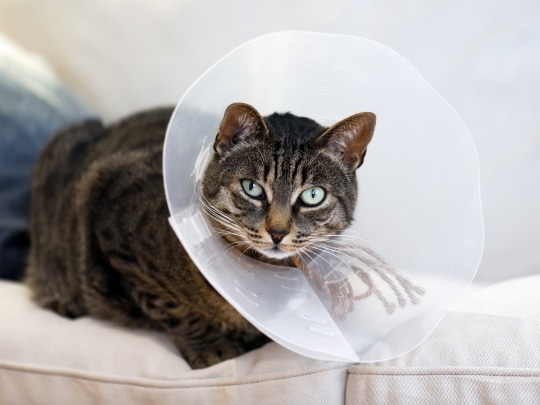
- Using an Elizabethan collar or recovery device when necessary
- Limiting access to stairs
- Monitoring appetite and bathroom habits
- Checking the incision regularly
- Attending follow-up appointments
- Gradually returning to normal activity
Although your pet may appear energetic soon after surgery, internal healing can take longer than expected. Therefore, follow activity restrictions even if your companion seems ready to resume normal play.
Know the Signs of a Possible Complication
Most pets recover well when owners follow postoperative instructions. Nevertheless, complications can occur.
Contact your veterinary team if you notice:
- Significant swelling around the incision
- Persistent bleeding
- Discharge or an unpleasant odor
- Opening of the incision
- Severe or worsening pain
- Repeated vomiting
- Difficulty breathing
- Extreme weakness
- Refusal to eat or drink
- Sudden behavioral changes
Do not wait for a minor concern to become a serious problem. When you are uncertain about something during recovery, contacting the veterinary team is often the safest approach.
Your Veterinarian Can Help You Weigh the Benefits and Risks
Every surgical procedure involves potential benefits and risks. The right decision depends on your pet’s diagnosis, age, health status, procedure type, and expected outcome.
Before surgery, ask questions such as:
- What condition does the procedure address?
- What are the expected benefits?
- Are there nonsurgical treatment options?
- What are the potential risks?
- What type of anesthesia will my pet receive?
- How will pain be managed?
- How long will recovery take?
- What restrictions will my pet have?
- What warning signs should I watch for?
- When should my pet return for a follow-up visit?
A clear conversation with your veterinarian can help you understand what to expect and make decisions with greater confidence.
Quality of Life Should Remain the Main Goal
The purpose of veterinary surgery should extend beyond simply correcting a physical problem. The larger goal is to help your pet live more comfortably and participate in the activities they enjoy.
For one pet, that may mean walking without pain. For another, it may mean eating comfortably, breathing normally, moving freely, or returning to favorite activities.
Therefore, your veterinarian will consider more than the diagnosis alone. They will look at how the condition affects your pet’s everyday life and whether surgery offers a reasonable opportunity to improve comfort and function.
How East Hampton Veterinary Group Supports Surgical Care
Choosing a veterinary team you trust can make the surgical experience less stressful. East Hampton Veterinary Group provides veterinary care designed around each patient’s individual needs. The team can evaluate your pet, discuss treatment options, explain surgical recommendations, and provide guidance throughout recovery.
Before a procedure, your veterinary team can review your pet’s health history and discuss any recommended diagnostic testing. Afterward, detailed home-care instructions can help you support a safe recovery.
Good communication matters throughout the process. If you understand why surgery is recommended and what recovery involves, you can feel more prepared to care for your pet at home.
Veterinary surgery can sometimes make a meaningful difference in a pet’s comfort, mobility, health, and ability to enjoy everyday life. From repairing injuries and addressing painful conditions to removing problematic masses and restoring normal function, surgical treatment may offer important benefits when appropriate.
However, every pet is different. A procedure that benefits one animal may not be appropriate for another. Your veterinarian can evaluate the specific condition, explain available options, and help you understand the potential benefits and risks.
If your pet is experiencing pain, reduced mobility, a concerning lump, an injury, or another condition that may require surgical treatment, schedule an appointment with East Hampton Veterinary Group. Our veterinary team can evaluate your companion and help you determine the most appropriate next step toward a healthier and more comfortable life.
Frequently Asked Questions
1. How can veterinary surgery improve my pet’s quality of life?
Veterinary surgery can reduce pain, restore mobility, correct injuries, remove problematic growths, and improve normal body function. The goal is to help your pet live more comfortably and actively.
2. How long does a pet usually take to recover after surgery?
Recovery time depends on the procedure, your pet’s age, health, and overall condition. Some pets recover within days, while more complex procedures may require several weeks of restricted activity and follow-up care.
3. What can I do to help my pet recover after surgery?
Follow your veterinarian’s instructions carefully. Give medications as prescribed, limit running and jumping, keep the incision clean and dry, monitor your pet’s behavior, and attend all recommended follow-up appointments.
4. When should I contact East Hampton Veterinary Group after my pet’s surgery?
Contact East Hampton Veterinary Group if your pet develops significant pain, persistent vomiting, unusual weakness, excessive swelling, bleeding, discharge, or changes around the surgical incision. Our veterinary team can help determine whether your pet needs additional care.
5. How does East Hampton Veterinary Group support pets undergoing surgery?
East Hampton Veterinary Group provides individualized surgical care, including preoperative evaluation, appropriate monitoring, pain management, and postoperative guidance. Our team works with pet owners to help make the surgical and recovery process as comfortable as possible.
6. How can I find out whether surgery is right for my pet?
Schedule an appointment with East Hampton Veterinary Group at our veterinary hospital. Our veterinary team can examine your pet, review diagnostic findings, explain treatment options, and help you understand the potential benefits and risks of surgery.