Early birds welcome! 7 AM appointments available on select days starting April 1- Call or Book Online!

Caring for Your Senior Dog: Essential Tips for Healthy Aging
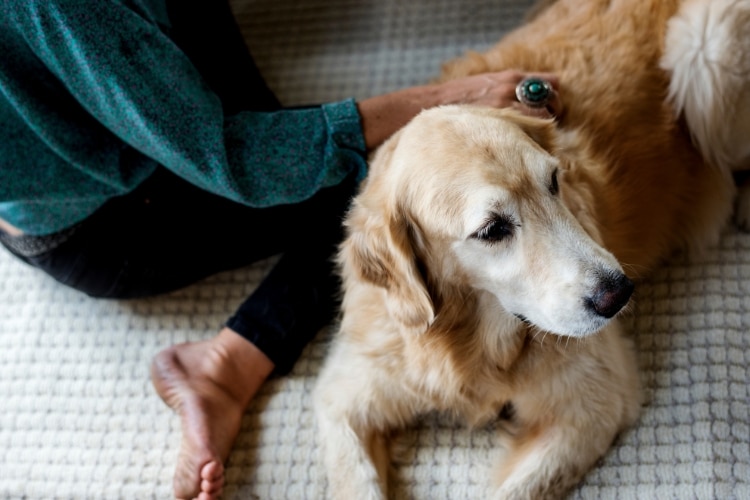
As dogs grow older, their needs begin to change in subtle but important ways. They may slow down, sleep more, and require extra attention to stay comfortable and healthy. Understanding these changes helps pet owners provide the best possible support during the golden years. Proper senior dog care becomes essential to maintain quality of life, manage age-related conditions, and ensure long-term well-being. With the right approach, you can help your furry companion enjoy a happy and comfortable life well into their senior years. At East Hampton Veterinary Group, we believe every aging dog deserves compassionate, proactive care tailored to their unique needs. This guide will help you navigate the journey of aging with confidence while supporting your pet’s health at every stage in East Hampton, NY.
Understanding the Aging Process in Dogs
Aging affects every dog differently, depending on breed, size, and genetics. Generally, larger breeds tend to age faster than smaller ones. As dogs enter their senior stage, their metabolism slows, and their immune system may weaken. You may notice changes in energy levels, coat condition, or appetite.
Additionally, mobility can decline due to joint stiffness or arthritis. Cognitive changes may also appear, such as confusion or altered sleep patterns. Recognizing these signs early allows you to adjust care routines effectively. Consistent monitoring and early intervention play a major role in maintaining comfort and preventing complications.
Nutrition for Optimal Senior Health
Diet plays a critical role in maintaining health during the aging process. Senior dogs often require fewer calories but more targeted nutrients. High-quality protein supports muscle maintenance, while fiber aids digestion and weight control.
Moreover, essential fatty acids like Omega-3 help reduce inflammation and support joint health. Antioxidants can also support brain function and immune response. Fresh water should always be available, as older dogs may be more prone to dehydration.
Transitioning to a senior-formulated diet should be done gradually to avoid digestive upset. Always consult your veterinarian before making major dietary changes to ensure the plan suits your dog’s specific needs.
Maintaining Mobility and Joint Health
As dogs age, mobility issues become more common. Stiff joints and reduced flexibility can affect their daily activities. However, regular low-impact exercise can help maintain muscle strength and joint function.
Short, frequent walks are often more beneficial than long, strenuous ones. Swimming is another excellent option for dogs with arthritis since it reduces pressure on joints while promoting movement. Soft bedding and orthopedic dog beds can also provide added comfort at home.
Weight management is equally important. Extra weight puts unnecessary strain on joints, which can worsen discomfort. Keeping your dog at a healthy weight significantly improves mobility and overall quality of life.
Preventive Veterinary Care Matters
Routine veterinary visits are essential for early detection of health issues. As dogs age, they become more susceptible to conditions such as diabetes, kidney disease, and heart problems. Regular checkups allow veterinarians to monitor changes and adjust care plans accordingly.
Bloodwork, dental evaluations, and mobility assessments should become a standard part of your dog’s healthcare routine. Preventive care ensures that potential issues are identified before they become serious.
At this stage of life, senior dog care also involves close collaboration with your veterinary team. Adjustments in medication, diet, or exercise may be needed as your dog’s condition evolves.
Supporting Cognitive Health in Aging Dogs
Cognitive decline is a natural part of aging for some dogs. Symptoms may include disorientation, disrupted sleep cycles, or decreased interaction. However, mental stimulation can help slow this process.
Interactive toys, puzzle feeders, and training exercises keep the brain active. Consistent routines also provide a sense of security and reduce anxiety. Additionally, certain diets and supplements may support brain health.
Engaging your dog in gentle mental activities daily helps maintain cognitive function and improves emotional well-being.
Creating a Comfortable Home Environment
Comfort becomes increasingly important as dogs age. Simple adjustments at home can make a significant difference. For instance, non-slip mats can help prevent falls on slippery floors, while ramps can assist dogs in accessing furniture or vehicles.
Keeping food and water bowls at an accessible height reduces strain on the neck and joints. Warm, quiet resting areas also help senior dogs feel secure and relaxed.
Furthermore, maintaining a consistent environment reduces stress and confusion, especially for dogs experiencing cognitive changes. Small improvements can greatly enhance your dog’s daily comfort and happiness.
Emotional Support and Bonding
Senior dogs often become more dependent on their owners for emotional security. Spending quality time together strengthens your bond and reduces anxiety in aging pets.
Gentle petting, calm voice interaction, and regular companionship can help your dog feel safe and loved. Even though activity levels may decrease, emotional connection remains vital for overall well-being.
Understanding behavioral changes and responding with patience ensures a smoother transition into the senior stage of life.
Caring for an aging dog requires attention, patience, and a proactive approach. From nutrition and exercise to mental stimulation and veterinary care, every aspect contributes to a healthier, happier life. When you prioritize consistent health monitoring and supportive routines, your dog can enjoy comfort and dignity in their later years.
Practicing senior dog care consistently ensures that your pet receives the attention and support they need as they age. With proper guidance and care, your dog can continue to thrive and share meaningful moments with your family. For pet owners in East Hampton, NY, staying attentive to these needs makes all the difference in long-term well-being.
If you’re looking for expert veterinary support, schedule an appointment with East Hampton Veterinary Group.
Frequently Asked Questions (FAQs)
1. At what age is a dog considered a senior?
Most dogs are considered seniors around 7 years of age, although larger breeds may reach senior status earlier and smaller breeds slightly later.
2. What are the first signs of aging in dogs?
Early signs include reduced energy, longer sleep duration, mild stiffness, changes in appetite, and slower movement during daily activities.
3. How can I improve my senior dog’s joint health?
Regular low-impact exercise, maintaining a healthy weight, joint-support supplements (if recommended by a veterinarian), and orthopedic bedding can help support joint health.
4. How often should older dogs visit the veterinarian?
Senior dogs should visit the veterinarian at least twice a year for routine exams, bloodwork, and early detection of age-related conditions.
5. What type of diet is best for older dogs?
A balanced diet with high-quality protein, moderate calories, fiber, and essential fatty acids is ideal to support energy levels, digestion, and overall wellness.
6. How can I keep my aging dog mentally active?
Interactive toys, short training sessions, puzzle feeders, and maintaining a consistent daily routine can help support cognitive health and reduce anxiety.