Early birds welcome! 7 AM appointments available on select days starting April 1- Call or Book Online!

How to Improve Your Dog’s Bad Breath with Proper Dental Care
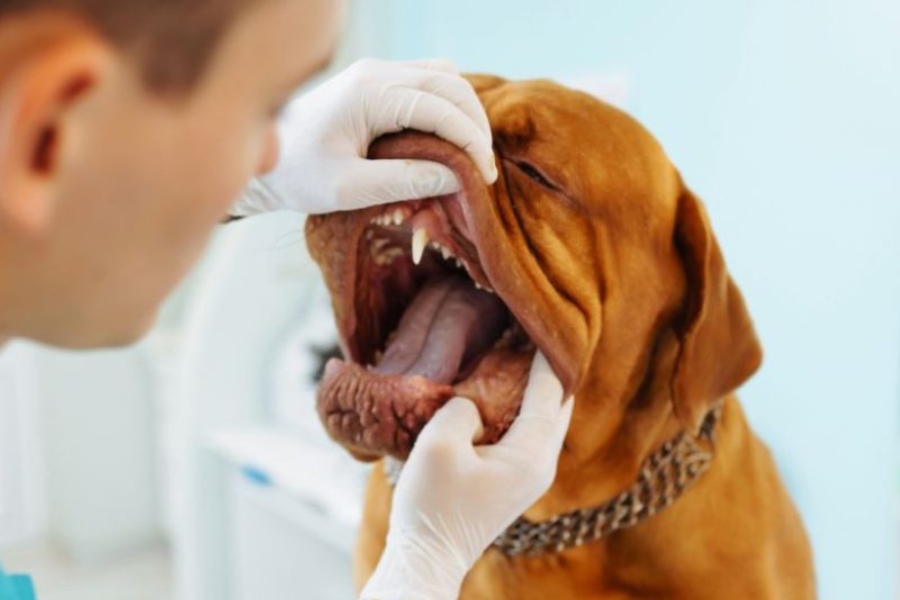
Bad breath in dogs is more common than many pet owners realize. While it’s tempting to dismiss it as a minor issue, persistent bad breath can be a sign of underlying health problems, particularly related to your dog’s dental health. Proper dog dental care is essential in maintaining not only fresh breath but also overall health. If your dog’s breath has become noticeably foul, it’s time to take action.
In East Hampton, NY, East Hampton Veterinary Group is here to help you address your dog’s bad breath and provide the care they need to maintain optimal dental health. This blog will explore the causes of bad breath in dogs and how proper dental care can make a significant difference.
1. Causes of Bad Breath in Dogs
There are several reasons why your dog may have bad breath, ranging from simple causes to more complex health issues. Understanding these causes is the first step in improving your dog’s oral hygiene.
- Poor Oral Hygiene: Just like humans, dogs can develop plaque and tartar on their teeth. When left untreated, this can lead to gum disease, tooth decay, and an unpleasant odor.
- Periodontal Disease: Periodontal disease is a common dental issue in dogs that can cause bad breath, along with swollen or bleeding gums. If left untreated, it can lead to tooth loss and more severe health problems.
- Diet: Certain foods or treats can contribute to bad breath. If your dog has a poor diet or frequently eats smelly foods, it may affect their breath.
- Health Issues: In some cases, bad breath can be a sign of an underlying medical condition such as diabetes, kidney disease, or gastrointestinal problems. If your dog’s bad breath is persistent and unusual, it’s important to consult a veterinarian.
2. The Importance of Dog Dental Care
Just like humans, dogs need regular dental care to prevent plaque and tartar buildup. Without proper dental hygiene, bacteria can thrive in your dog’s mouth, leading to more serious health issues.
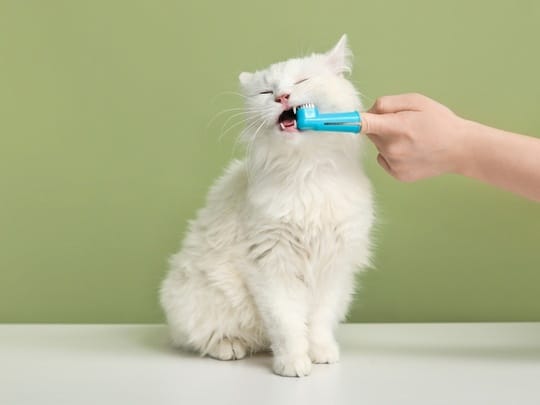
- Brushing Your Dog’s Teeth: Regularly brushing your dog’s teeth is the most effective way to prevent bad breath. Use a toothbrush and toothpaste specifically designed for dogs. Make sure to brush their teeth at least a few times a week, if not daily.
- Dental Chews and Treats: There are many dog-safe chews and treats available that help reduce plaque and freshen your dog’s breath. These treats can be an excellent addition to your dog’s dental care routine.
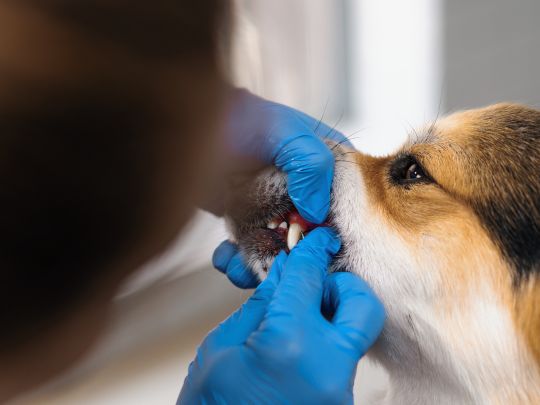
- Professional Cleanings: Just like humans need regular checkups and professional cleanings, dogs benefit from periodic dental cleanings by a veterinarian. These cleanings remove plaque and tartar buildup that can’t be eliminated with home brushing alone.
Regular dental care can improve your dog’s breath, prevent periodontal disease, and ensure that they live a long and healthy life.
3. Signs of Dental Problems in Dogs
If you notice any of the following signs, it’s time to consult your veterinarian about your dog’s dental health:
- Bad Breath: While some dog breath is normal, particularly in the morning, persistent foul breath is a red flag.
- Excessive Drooling: If your dog is drooling more than usual, it could be a sign of dental pain or infection.
- Yellow or Brown Teeth: Plaque and tartar buildup can lead to discolored teeth. If your dog’s teeth are yellow or brown, it’s time to take action.
- Red or Swollen Gums: Healthy gums should be pink, not red or swollen. Infected gums are painful and can lead to more severe issues.
- Difficulty Eating or Chewing: If your dog seems to struggle with eating or avoids chewing on their food, it could indicate dental pain or discomfort.
By recognizing these signs early, you can prevent more serious dental issues and improve your dog’s breath and overall well-being.
4. Home Dental Care Tips for Your Dog
Maintaining your dog’s dental hygiene at home is crucial in preventing bad breath and ensuring their overall health. Here are some simple yet effective tips to incorporate into your dog’s routine:
- Brush Their Teeth Regularly: Use a dog-friendly toothbrush and toothpaste to brush your dog’s teeth. Gradually introduce this practice, starting with short sessions and increasing the duration as your dog gets used to it.
- Provide Dental Chews: Invest in high-quality dental chews that help remove plaque and freshen your dog’s breath. These chews can also serve as a fun and engaging activity for your dog.
- Offer a Balanced Diet: A healthy diet supports overall health, including your dog’s teeth. Look for high-quality dog food that promotes dental health and avoid giving your dog sugary or sticky treats.
- Hydration: Ensure your dog has access to fresh water at all times. Proper hydration helps wash away food particles and bacteria, reducing the risk of plaque buildup.
By taking these simple steps, you can significantly improve your dog’s dental health and breath.
5. Professional Dog Dental Care Services
While at-home care is essential, professional dental cleanings are a necessary part of maintaining your dog’s oral health. Your veterinarian can provide thorough cleanings that remove plaque and tartar, as well as assess your dog’s teeth and gums for any issues.
- Dental Exams: Your veterinarian will check for signs of periodontal disease, tooth decay, and other dental problems. They will also recommend the best course of action based on your dog’s individual needs.
- Teeth Cleanings: Professional cleanings typically involve a deep cleaning under general anesthesia, which ensures that your dog’s teeth are thoroughly cleaned without causing stress or discomfort.
- Dental X-rays: In some cases, dental X-rays may be necessary to check for hidden issues, such as infections or damage to the roots of your dog’s teeth.
These professional services are an essential part of maintaining your dog’s dental health and should be scheduled regularly.
Proper dog dental care is the key to improving your dog’s bad breath and ensuring they maintain healthy teeth and gums throughout their life. East Hampton Veterinary Group is here to provide expert care for your dog’s dental needs, from routine checkups to professional cleanings.
If you’re in East Hampton and looking for dog dental care, don’t hesitate to schedule an appointment with East Hampton Veterinary Group. Our veterinary team is dedicated to helping your dog maintain fresh breath and optimal oral health.
FAQs:
1. How often should I brush my dog’s teeth?
It’s recommended to brush your dog’s teeth at least 2-3 times a week, but daily brushing is ideal for optimal oral health.
2. Can dental chews help with my dog’s bad breath?
Yes, high-quality dental chews can help reduce plaque buildup and freshen your dog’s breath, making them a great addition to your dog’s dental care routine.
3. When should I take my dog to the vet for a dental cleaning?
Dogs should have professional dental cleanings every 1-2 years, depending on their dental health and risk factors. Your vet will recommend a schedule based on your dog’s needs.
4. What are the signs of periodontal disease in dogs?
Signs of periodontal disease include bad breath, swollen gums, excessive drooling, and difficulty eating. If you notice these symptoms, consult your vet.
5. Are there any foods that help improve my dog’s breath?
Certain dental diets and treats are formulated to help freshen your dog’s breath and reduce plaque buildup. Talk to your vet about the best options for your dog.
6. Is bad breath a sign of a more serious health issue?
Persistent bad breath can sometimes indicate underlying health issues, such as kidney disease or diabetes. If your dog’s bad breath doesn’t improve with dental care, consult your veterinarian for further evaluation.