Early birds welcome! 7 AM appointments available on select days starting April 1- Call or Book Online!

The Importance of Regular Dental Cleanings for Your Pet’s Health
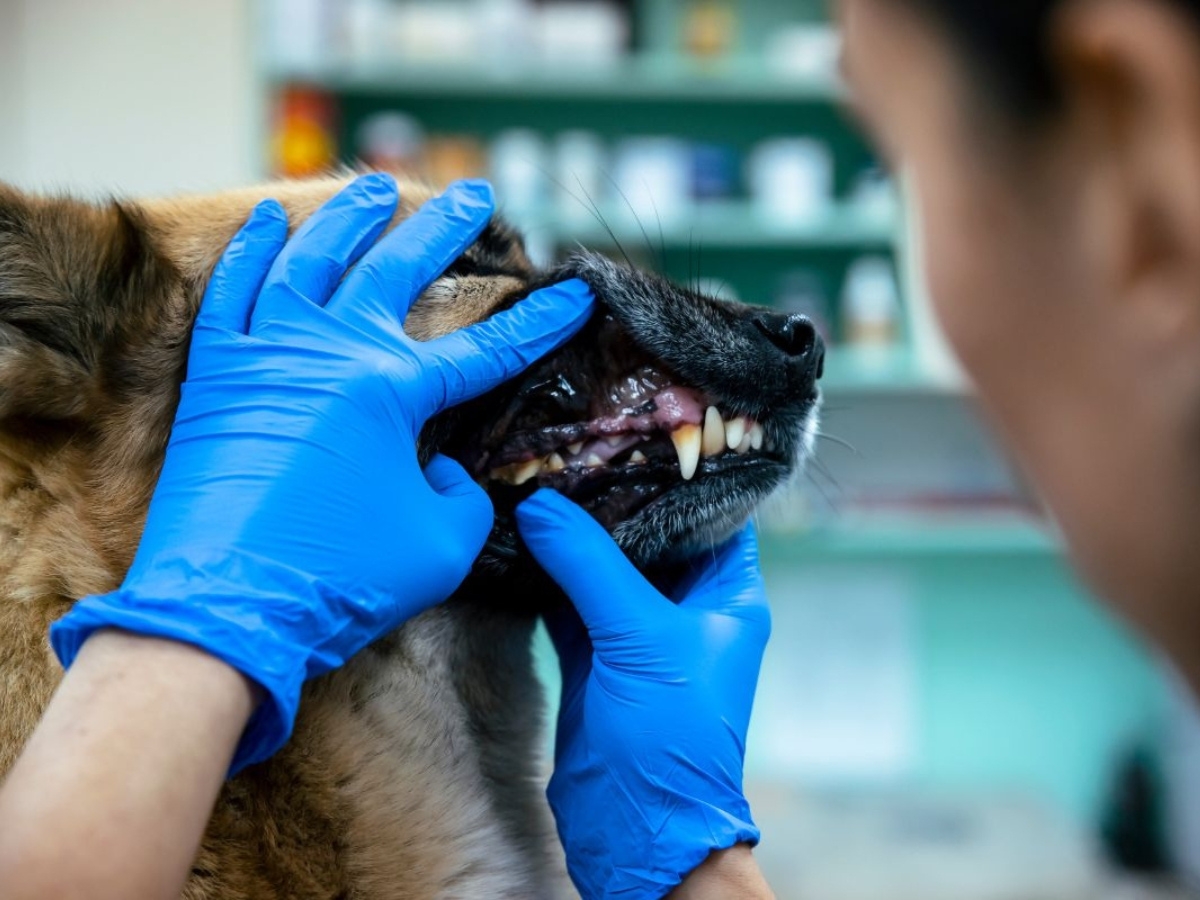
As pet owners, we want our furry companions to live long, healthy, and happy lives. However, pets cannot communicate when something is wrong, making it crucial for us to stay proactive about their health. One often-overlooked aspect of pet care is their dental health. While your pet may seem fine on the outside, dental problems can develop silently, leading to serious conditions that affect their overall well-being.
Regular dental cleanings are essential in preventing oral diseases that can impact your pet’s heart, kidneys, and overall health. Catching these issues early can make a significant difference in preventing pain and costly treatments. This guide will help you understand the importance of regular dental cleanings for your pet, especially for those in East Hampton, NY.
Why Pet Dental Care Is So Important
Dental disease is one of the most common health issues in pets. In fact, by the age of three, more than 80% of dogs and cats show signs of dental disease. Without proper care, these issues can worsen and lead to severe health complications.
Pet dental care includes more than just brushing your pet’s teeth; it involves professional cleaning and regular monitoring to ensure there are no underlying health issues. When tartar and plaque build up on your pet’s teeth, bacteria can enter the bloodstream, affecting the heart, kidneys, and liver. Regular dental cleanings help prevent these issues by removing harmful buildup before it leads to more serious conditions.
What Happens During a Pet Dental Cleaning?
A professional pet dental cleaning is a procedure that typically requires general anesthesia. This is done to ensure that the process is thorough and painless for your pet. Here’s a quick breakdown of what happens during a cleaning:
-
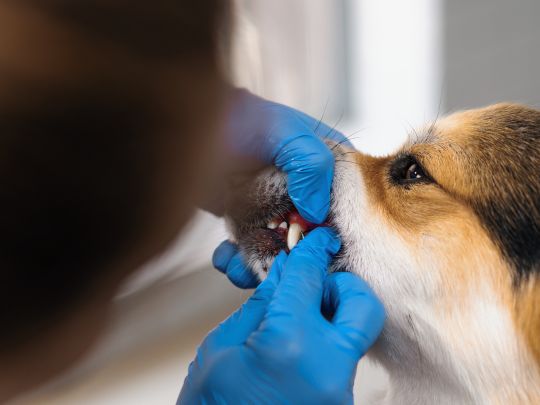
Examination: The veterinarian will start by examining your pet’s teeth and gums, checking for any signs of disease, decay, or infection.
-
Scaling: The veterinarian uses special tools to remove plaque and tartar buildup from the surface of the teeth. Scaling ensures that even the hard-to-reach areas are cleaned thoroughly.
-
Polishing: After scaling, the teeth are polished to smooth the enamel, reducing future plaque buildup and leaving your pet with a brighter smile.
-
Fluoride Treatment: Depending on the condition of your pet’s teeth, fluoride may be applied to strengthen the enamel and protect the teeth from cavities.
-
X-rays (if needed): If there are signs of underlying issues, such as abscesses or infected teeth, the veterinarian may take X-rays to get a clearer picture of what’s going on beneath the surface.
The Benefits of Regular Pet Dental Cleanings
Regular dental cleanings have numerous benefits that extend far beyond keeping your pet’s smile sparkling. Here’s why they’re so important:
1. Prevention of Gum Disease
Gum disease, or periodontal disease, is the most common dental problem in pets. It starts with plaque buildup, which hardens into tartar. Over time, tartar irritates the gums, causing redness, swelling, and bleeding. If untreated, it can lead to infections, abscesses, and even tooth loss. Regular cleanings prevent this by removing plaque before it turns into tartar.
2. Improved Breath
Bad breath in pets is often a sign of poor oral health. The bacteria that build up in your pet’s mouth can create foul odors. Regular dental cleanings help eliminate the bacteria responsible for bad breath, leaving your pet with fresher-smelling breath.
3. Longer Life
Dental disease can cause pets to suffer from pain, difficulty eating, and a decrease in overall health. In severe cases, it can contribute to life-threatening conditions, including heart disease and kidney failure. By addressing dental issues early through regular cleanings, you can extend your pet’s life and improve their quality of life.
4. Pain Prevention
Dental pain can significantly affect your pet’s behavior and appetite. Untreated gum disease, abscesses, or broken teeth can cause chronic pain. By scheduling routine dental cleanings, you reduce the risk of pain and discomfort, keeping your pet happy and active.
5. Reduced Risk of Systemic Health Issues
As mentioned earlier, oral bacteria can spread to other organs in your pet’s body, leading to systemic health problems. By keeping your pet’s teeth and gums healthy, you help protect vital organs such as the heart, kidneys, and liver from the harmful effects of oral bacteria.
How Often Should You Schedule Pet Dental Cleanings?
The frequency of dental cleanings depends on several factors, including your pet’s age, breed, and overall health. Generally speaking, pets should have a professional cleaning at least once a year. However, pets with a history of dental disease or certain breeds that are more prone to dental issues may require more frequent cleanings.
Regular at-home care, such as brushing your pet’s teeth and providing dental chews, can help maintain oral hygiene between professional cleanings. But even with home care, professional cleanings are still essential for ensuring your pet’s teeth remain in optimal condition.
Signs That Your Pet May Need a Dental Cleaning
It’s important to keep an eye out for signs that your pet may need dental care. Some common indicators include:
-
Bad breath: If your pet’s breath smells foul or overly strong, it could be a sign of gum disease or infection.
-
Red or swollen gums: Inflamed gums are often an early sign of dental disease.
-
Difficulty eating: Pets with tooth pain may avoid hard food or have difficulty chewing.
-
Excessive drooling: Unexplained drooling can indicate dental issues, especially if it’s paired with bad breath.
-
Pawing at the mouth: If your pet is constantly pawing at their face or mouth, it could be a sign of oral pain.
If you notice any of these symptoms, it’s time to schedule a dental exam for your pet.
How to Maintain Your Pet’s Oral Health at Home
While professional dental cleanings are essential, at-home care plays a significant role in maintaining your pet’s oral health. Here are some tips for keeping your pet’s teeth clean between visits:
-
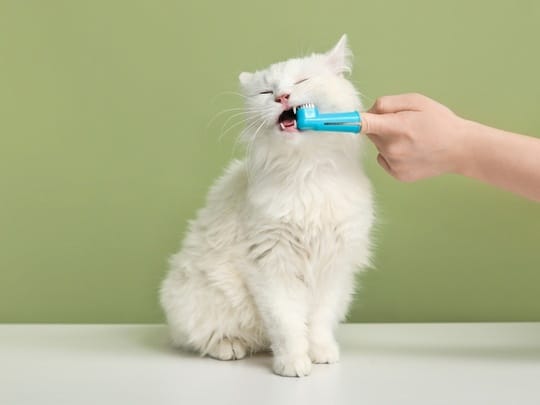
Brush your pet’s teeth regularly: Use a pet-safe toothbrush and toothpaste to brush your pet’s teeth. Aim for at least 3-4 times a week.
-
Provide dental chews: Chew toys designed to clean teeth can help remove plaque and keep your pet’s mouth fresh.
-
Offer a balanced diet: Some pet foods are specially designed to promote dental health by reducing plaque buildup. Ask your vet for recommendations.
-
Use water additives: There are water additives available that can help freshen your pet’s breath and reduce plaque buildup.
By incorporating these practices into your pet’s routine, you can keep their teeth and gums healthy between professional cleanings.
Regular dental cleanings are essential to your pet’s overall health and well-being. By preventing dental diseases and the associated complications, you help your pet live a longer, healthier life. If you’re in East Hampton, NY, and looking for pet dental care near you, schedule an appointment with East Hampton Veterinary Group. Our veterinary team is here to provide the highest quality dental care for your pet, ensuring they stay happy and healthy for years to come.
FAQs
Q1. How often should I take my pet for dental cleanings?
Ans. It’s recommended that pets have professional dental cleanings at least once a year. Pets with dental issues may require more frequent cleanings. Your vet will provide guidance based on your pet’s needs.
Q2. Can I brush my pet’s teeth at home?
Ans. Yes, brushing your pet’s teeth regularly is a great way to help maintain their oral health. Use a soft-bristled toothbrush and pet-safe toothpaste to brush their teeth 3-4 times a week.
Q3. What happens if I don’t clean my pet’s teeth regularly?
Ans. Neglecting your pet’s dental care can lead to gum disease, tooth loss, and painful infections. It can also result in systemic health problems such as heart or kidney disease.
Q4. How can I tell if my pet has dental disease?
Ans. Signs of dental disease include bad breath, swollen gums, difficulty eating, and excessive drooling. If you notice any of these symptoms, consult your veterinarian for an evaluation.
Q5. Are pet dental cleanings safe?
Ans. Yes, pet dental cleanings are safe when performed by a trained veterinary professional. Anesthesia is used to ensure your pet is comfortable during the procedure.
Q6. Can dental chews replace professional cleanings?
Ans. While dental chews can help maintain oral health, they cannot replace the thorough cleaning done by a professional. Regular check-ups and cleanings are still essential for maintaining your pet’s dental health.